
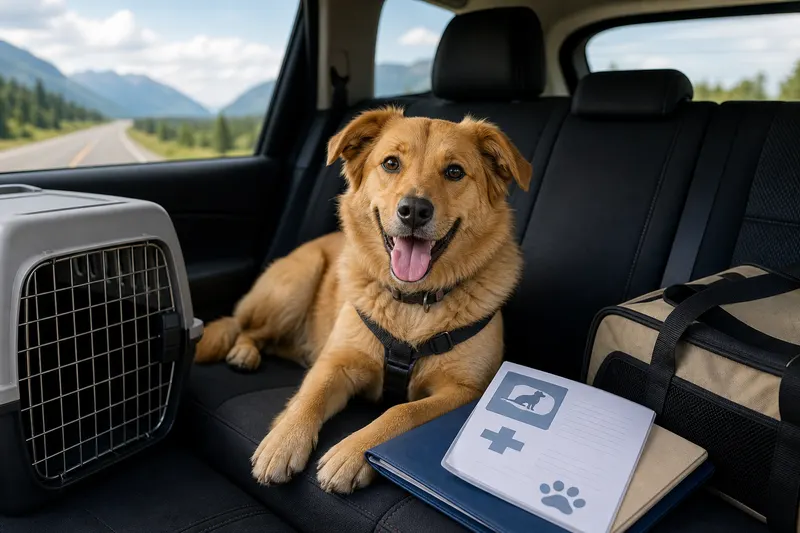
Traveling with Pets: Health Documents & Emergency Checklist
If you’re traveling with pets, the paperwork is often harder than the trip itself. Vaccine proof, medication timing, emergency contacts, and “what if something happens away from home?” questions can turn a fun plan into a stressful scramble. A health documents checklist keeps you calm and helps you avoid being turned away by boarding, airlines, or rentals.
This guide gives you a practical checklist for traveling with pets, plus a simple prep timeline you can reuse for every trip.
Why this matters
Travel changes risk and logistics: - You may need a new clinic quickly - Your routine schedule gets disrupted - New environments increase exposure to pests or illness
PetClues can help by keeping medical records, vaccination certificates, medication schedules, and an emergency passport-style summary accessible from one place.
Traveling with pets: health documents checklist
Identification and proof - Rabies certificate - Core vaccine proof (as required for your situation) - Microchip ID and registration confirmation
Complete or verify microchip registration before travel.
Medications and schedule - Medication list (name, dose, frequency, “with food” instructions) - Enough medication for the trip plus buffer days - Refill/clinic contact info
Use pet medication reminder to keep dosing consistent when your day shifts.
Emergency information - Primary vet contact - Nearest emergency vet at destination (or a plan to find one) - Authorization plan and emergency contact
Build this with pet emergency information.
Step-by-step travel prep timeline
2-4 weeks before
- Confirm vaccines are current and meet any facility rules.
- Update microchip registration and ID tags.
- Refill medications and confirm dosing plan.
- Align preventatives with your travel window.
Coordinate with: - heartworm prevention schedule - flea tick prevention
3-7 days before
- Assemble documents in one digital place and one backup.
- Pack food and avoid last-minute diet changes.
- Confirm emergency contacts are reachable.
Travel day
- Keep meds accessible, not buried.
- Maintain meal and potty anchors as closely as possible.
- Do a short daily check-in: appetite, stool, energy, symptoms.
Why this matters (real pet parent scenarios)
Most travel stress shows up in predictable moments: - You arrive at a rental and realize your pet’s medication is in the checked bag or packed under everything - A family member offers “a little snack,” and your pet with a sensitive stomach gets diarrhea on day one - Your dog slips a collar during a rest stop and you suddenly need microchip and emergency contacts immediately - Your cat hides for hours after arriving, and you need to know what “normal stress” looks like versus “needs a vet”
When you’re traveling with pets, you’re managing two risks at once: health risk (illness, parasites, missed meds) and logistics risk (not having proof or info when a service or clinic asks).
Expanded step-by-step: travel prep by trip type
Road trip checklist details - Pack a small “quick access” pouch: meds, proof, emergency contacts - Plan hydration and potty stops to match your routine - Keep a leash/harness backup in case something breaks
Flying checklist details
Airline requirements vary. In addition to your health documents, plan: - Carrier practice (short sessions, treats, calm routines) - A printed emergency summary and a digital copy - A clear medication plan if dosing overlaps with travel windows
Traveling when boarding is involved
If your trip includes a boarding stay, align paperwork and timing early: - pet boarding preparation - pet sitter instructions
Common mistakes (and how to avoid them) - Assuming “my vet has it” means you can access it while traveling - Forgetting to pack a few extra days of medication (travel delays happen) - Not listing last dose time and “next dose due” for caregivers or emergencies - Switching food the day before travel, triggering GI upset - Skipping parasite prevention because the trip is short - Bringing documents but not making them easy to find (buried screenshots) - Not updating microchip info after a move or phone number change
What veterinarians recommend (expert travel tips)
Many vets advise travel planning around stability: - Keep routine anchors: meals and medication times should be as consistent as possible. - Avoid sudden diet changes: travel is stressful enough; keep food familiar. - Plan parasite coverage: new environments can mean new exposure. Coordinate: - flea tick prevention - heartworm prevention schedule - Carry an emergency summary: meds, allergies, conditions, and contacts in one concise place.
PetClues is helpful here because it keeps your records, reminders, and emergency passport-style summary together, so you can pull up what you need quickly and share it when a clinic asks for history.
The “quick-access” travel pouch (highly recommended)
Pack a small pouch that stays reachable during the trip (not in the trunk or checked luggage): - A printed emergency summary (and one digital copy) - Medication doses for the next 48 hours - A spare leash/harness or carrier latch backup - A few days of your pet’s usual food or safe treats - Any dosing tools (syringe for liquid meds, pill splitter if needed)
This pouch is especially useful when plans change mid-trip. If your pet needs care quickly, you’ll already have the essentials without unpacking everything.
FAQ
What health documents are essential for traveling with pets?
Rabies certificate, core vaccine proof as required, microchip information, a medication list, and emergency contacts are the baseline.
Should I carry full medical records?
Keep full records digitally and carry the essentials physically. A pet health records app like PetClues makes full access easy without paper overload.
How do I keep medication timing consistent while traveling?
Use anchor times and reminders, and ask your vet about adjustments for critical meds or time zone changes.
What if my pet gets sick on the trip?
Use your emergency summary, locate a nearby clinic/ER, and provide accurate medication and history quickly.
How can PetClues help while traveling?
It keeps documents, reminders, and emergency info in one place so you can share accurate details fast.
What’s the best way to reduce travel stress?
Keep diet consistent, maintain routines, plan calm breaks, and track a quick daily check-in so you notice stress-related changes early.
Should I update vaccines before travel?
If your vaccines are due soon or if boarding/airline rules require current proof, update early enough to meet any “must be given X days before” policies.
What if my pet has allergies or a sensitive stomach?
Keep food and treats consistent, bring familiar supplies, and track symptoms daily. Use pet allergy tracker if flare-ups are common.
How do I keep documents organized for repeated trips?
Use one system for certificates, invoices, and reminders. If you’re rebuilding your system, start with organize pet medical records.
What’s the most important “backup contact” idea?
Add a trusted secondary contact to microchip registration and emergency info so someone can act if you’re unreachable.
If you travel frequently, consider setting a recurring “travel admin” reminder once a quarter to review vaccines, preventatives, and emergency contacts. That small routine keeps your travel packet ready without last-minute scrambling.