
Certificate storage that counts
Upload the signed rabies certificate, not just a note that says “done.” Kennels want manufacturer, lot, and veterinarian signature.
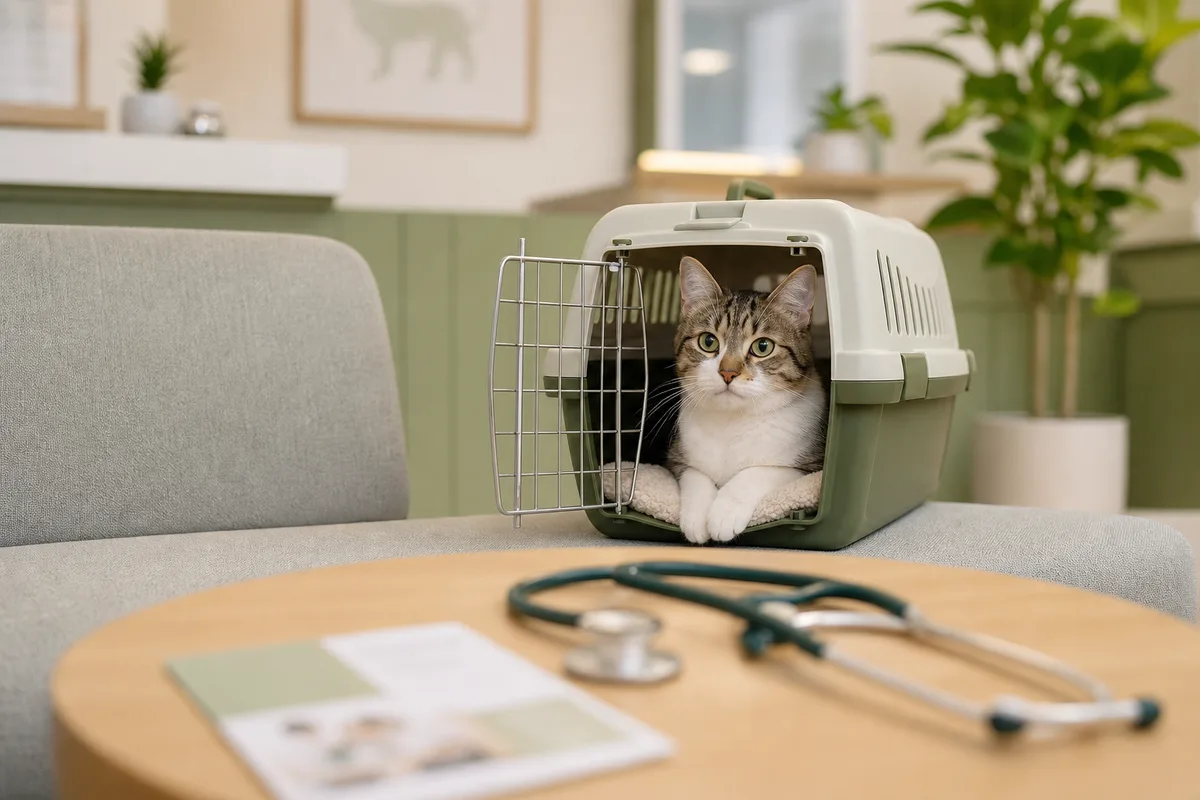
Upload the signed rabies certificate, not just a note that says “done.” Kennels want manufacturer, lot, and veterinarian signature.
Set the next dose when you log the current one. PetClues reminds you before compliance becomes a crisis.
Sequential doses matter. See which shot in the series was given and what the clinic scheduled next.
Dogs and cats follow different core protocols. Templates reflect common schedules; your vet’s plan always wins.
Three pets, three staggered rabies anniversaries. One dashboard shows who is current and who is due this month.
Send a PDF bundle with certificates and dates formatted for front-desk staff, no retaking photos in the parking lot.
Regional law and lifestyle change what a pet needs. PetClues tracks what you log; it does not replace veterinary protocol.
Some owners pursue titer testing. Store results like any lab, but vaccination decisions belong in exam-room conversations.
Rabies and routine due-date alerts are part of the free tier, because missed boosters are expensive in every sense.
When two clinics disagree on what was given, your dated entries settle the argument.
Facilities do not accept diligence. They accept documentation. A verbal assurance that “she’s up to date” fails at check-in when the desk needs a rabies certificate with a visible expiration.
Most owners were vaccinated on time. The failure is archival: the certificate went home in a paper folder, lived on a fridge magnet, then vanished during a move. Digital storage fails too when it is only a photo lost among thousands.
A vaccination record system must hold three things together: what was given, when it was given, and the paper that proves it. Separate any one of those and you are back to scrambling.
Core vaccines address diseases with serious public or animal health impact: rabies foremost among legal requirements in many regions. Lifestyle vaccines depend on exposure: boarding frequency, wildlife contact, geographic risk.
Your record should tag which category each entry belongs to. When a daycare asks only for Bordetella, you should not scroll past unrelated entries.
When a veterinarian recommends skipping or deferring a lifestyle vaccine, note the rationale. Future you, and future vets, will wonder why a gap exists.
Puppies and kittens do not receive full immunity from a single visit. Intervals between doses are part of the medicine. A record that shows “shot 2 of 3, due in three weeks” prevents accidental early revaccination or late gaps.
If you switch clinics mid-series, the new team needs the prior product names and dates, not a guess from memory. Upload the invoice if the certificate is not ready yet; update when paperwork arrives.
When the series completes, set the adult booster schedule immediately. The handoff from intensive puppy care to annual maintenance is where records most often stall.
Kennels often require vaccines administered a minimum number of days before arrival, not merely “current.” Read their policy when you book, then back-calculate from your stored dates.
International travel may require government-endorsed forms beyond routine certificates. PetClues holds your clinic-issued proof; statutory forms stay in the official channel your vet describes.
Build a boarding packet once: rabies certificate, Bordetella if required, emergency contact, feeding notes. Reuse and update rather than rebuilding under stress.
Daycares sometimes require explicit flea and tick proof during warm months. Tag those entries seasonally so spring does not surprise you in May.
Set reminders at the moment of vaccination, when the vet states the next due date. Waiting until you get home invites drift.
If a reminder fires and you already vaccinated, log the new dose and roll the date forward. Stale reminders erode trust in the system.
For multi-pet homes, stagger is normal. A single calendar for “pets” collapses under complexity; per-pet due dates do not.
Clinics send reminders; kennels send requirements; life sends distractions. Someone in the home must own the intersection, and that person should not be the only one who can prove compliance. Shared access means either partner can upload the certificate the night it arrives.
PetClues does not guess your local law. It remembers what your veterinarian documented and when the next dose is due. That distinction matters in regions where titers, exemptions, or lifestyle vaccines change the conversation.
Treat vaccination logging like paying a utility: small recurring attention prevents large urgent costs. A missed booster can mean cancelled travel, refused boarding, or an extra clinic visit to restart a series.
Puppy series intensity fades into annual or triennial rhythms. That is when memory fails, because nothing feels urgent for months at a time. Automated due dates matter more in year three than week three.
When your municipality or landlord asks for proof, they rarely care about clinical nuance. They care whether the date on the certificate is valid today. Store the certificate image alongside the date entry so proof and record cannot separate.
If you adopt an adult with unknown history, log what you know as “verified” and what you assume as “pending verification.” Honest gaps beat confident guesses when a new vet reviews the file.
Clinics reissue certificates, but not instantly. Your dated entry with product name and lot can unblock boarding while admin catches up.
If a vet retires or a practice merges, records transfer slowly, or not at all. Owner-maintained history prevents amnesia during transitions.
Scan certificates the day you receive them. The cost of five minutes now is smaller than the cost of a cancelled trip later.
PetClues tracks what you and your veterinarian decide. Protocol varies by species, age, law, and lifestyle. Those decisions stay in the clinic.
Capture the full certificate: pet name, product, date given, expiration, vet signature, and clinic details. Avoid cropped corners.
Yes. Log any vaccine with date, product, and optional certificate attachment.
Export a PDF or share your passport summary with vaccination dates and certificates attached.
Download PDFs from the portal and attach them to the matching dated entry in PetClues so everything lives in one timeline.
Yes. Due-date reminders for logged vaccines are included on the free tier.
Upload your rabies certificate, set the booster reminder, and stop relying on fridge magnets.
PetClues is not veterinary advice. Always consult a licensed veterinarian for diagnosis, treatment, and urgent medical decisions.