
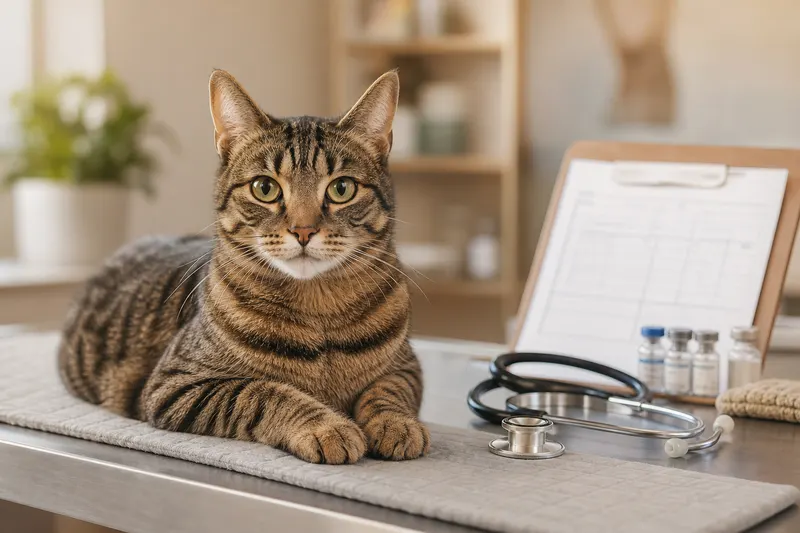
Cat Vaccination Schedule: Core Shots, Boosters & Reminder Tips
If you’re trying to follow a cat vaccination schedule, the challenge is usually consistency: getting the carrier out, finding the paperwork, remembering the booster window, and booking an appointment before you’re overdue. A practical cat vaccination reminder system helps you keep your cat protected without turning every vet visit into a scramble.
In 2026, vets still rely on a core principle: vaccinate kittens in a series, then boost at one year, then maintain protection on a schedule based on risk and product type. This guide explains the common timeline and the decisions that change it for indoor vs outdoor cats.
Why this matters
Vaccines reduce the risk of contagious illness and outbreaks-especially for kittens, multi-cat homes, rescues, and boarding situations. Staying current also: - Keeps boarding options open - Reduces stress during unexpected travel - Prevents “restart” scenarios if boosters are missed
PetClues can store vaccine certificates and send a cat vaccination reminder, so you’re not guessing dates from an old invoice.
Core vaccines for cats
FVRCP (core)
Often called the “distemper combo,” FVRCP typically covers: - Feline viral rhinotracheitis (herpesvirus) - Calicivirus - Panleukopenia
Rabies (often core depending on location)
Rabies laws vary. Even indoor cats may need rabies vaccination for legal compliance, apartment rules, or boarding.
Typical kitten vaccination schedule
Your veterinarian may adjust timing, but many kittens follow a pattern like this:
6-8 weeks - FVRCP first dose
10-12 weeks - FVRCP booster - FeLV (often recommended for kittens; risk-based)
14-16 weeks - FVRCP booster (often final of kitten series) - Rabies vaccine (timing varies by local rules) - FeLV booster if started earlier
12 months - FVRCP booster at one year - Rabies booster per product and local rules - Continue FeLV if lifestyle risk persists
Risk-based vaccines (lifestyle matters)
FeLV (feline leukemia virus)
Often recommended for: - Kittens (because future lifestyle can change) - Cats that go outdoors - Cats in multi-cat homes with unknown status
Other vaccines
Depending on region and risk, your vet may discuss additional options. The important part is aligning vaccination to exposure risk, not guessing.
Step-by-step: keep your cat vaccination schedule on track
- Ask your vet for a written plan with target dates and “acceptable windows.”
- Save proof immediately (rabies certificate, invoice, visit summary).
- Set a cat vaccination reminder for each due date and one “book the appointment” reminder 2-3 weeks earlier.
- Log any reactions after vaccines (lethargy, swelling, vomiting) to inform future decisions.
- Prepare a boarding packet if you might travel or board within the year.
PetClues supports steps 2 and 3 by keeping documents and reminders tied to your cat’s profile-useful when boarding asks for proof on short notice.
Make vet visits easier (so the plan is realistic)
Carrier training as a routine - Keep the carrier out year-round - Feed treats near the carrier, then inside - Use a familiar blanket to reduce fear
Appointment strategies
Many cats do better with: - Early appointments to reduce waiting - Quiet clinics or cat-only times
After the appointment: record what happened
Right after you get home, capture: - Vaccine names given - Dates - Next due date - Any immediate reactions
This is where a pet health records app pays off: you store the certificate once and never hunt for it again.
Proof for boarding and travel
Many facilities request: - Rabies certificate - FVRCP date - Sometimes FeLV status or vaccination history
If travel is on your horizon, start with traveling with pets and consider creating a quick emergency profile from pet emergency information.
Why this matters (real cat parent scenarios)
Cat vaccines become urgent in moments that feel “sudden,” even when the need was predictable: - You need boarding for a family emergency and the facility asks for rabies proof today - A new rescue cat joins the home and you’re worried about contagious illness - Your indoor cat escapes briefly and you realize you’re not sure what’s up to date - You switch vets and the new clinic asks for records you can’t find
A clear cat vaccination schedule protects health, but it also protects your options. The best time to organize proof is when everything is calm-not when you’re rushing.
Expanded step-by-step: from kitten series to adult boosters
Kittens: complete the series
The kitten series is about building immunity as your kitten grows. The key action steps:
- Get the written plan from your vet.
- Schedule the next appointment before you leave the clinic.
- Store proof the same day (certificate + invoice).
- Set a cat vaccination reminder two weeks before each due date.
At 12 months: the “first adult reset”
The one-year booster is a common point where cats fall off schedule. Treat it as a milestone: - Confirm which vaccines are due - Ask what the long-term interval will be (some vaccines move to 1-3 years) - Save updated certificates for boarding and travel
Adult cats: build a repeatable yearly routine
Even if boosters are less frequent, make an annual “health admin” day: - Review vaccine due dates and requirements for any facilities you use - Confirm microchip info is current: microchip registration - Update your emergency summary: pet emergency information
PetClues helps here by storing certificates and sending reminders so you can follow a schedule without guesswork.
Common mistakes (and how to avoid them) - Missing booster windows and needing schedule adjustments later - Assuming indoor cats have zero exposure risk (illness can be introduced indirectly) - Not saving the rabies certificate (some places won’t accept an invoice screenshot) - Forgetting to log vaccine reactions for future planning - Waiting until boarding/travel is booked to check requirements - Mixing records across multiple cats without clear labeling - Not preparing the carrier until appointment day, increasing stress
What veterinarians recommend (expert tips)
Vets commonly recommend: - Make the plan written and specific: exact dates reduce missed boosters. - Match vaccines to lifestyle: outdoor exposure and multi-cat environments change recommendations. - Prioritize carrier training: it improves compliance, which improves protection. - Keep records organized: a clear vaccine history prevents unnecessary repeats and speeds up care.
If you’re still building your kitten foundations, use new kitten checklist and a record system from organize pet medical records.
FAQ
Do indoor cats need vaccines?
Often yes. Core vaccines protect against diseases that can be introduced indirectly, and rabies may be required by law or for boarding.
What is the key vaccine series for kittens?
FVRCP is a major core series and is typically given in multiple doses as kittens grow.
When does my kitten get rabies?
Commonly around 12-16 weeks, but timing depends on local rules and your vet’s protocol.
Do cats need annual vaccines forever?
Many adult cats move to 1-3 year boosters for certain vaccines, depending on risk, product, and your vet’s guidance.
What if we missed a booster?
Call your vet. Depending on the gap, they may adjust the schedule or repeat a dose.
How do I keep vaccine proof organized?
Save the certificate and invoice and store them in one place. PetClues can keep PDFs and send a cat vaccination reminder before due dates.
Should an adult rescue cat with unknown history be vaccinated?
Often yes, but the plan depends on health status and risk. Your vet typically treats unknown history as unvaccinated for core protection.
What should I do if my cat had a mild reaction last time?
Log what happened and when, and tell your vet. They can adjust timing, observation, or vaccine choices based on history.
How far in advance should I schedule boosters before boarding?
Many facilities require vaccines to be completed a certain number of days before check-in. Ask the facility and plan early to avoid last-minute issues.
What’s the easiest way to store rabies proof?
Keep the certificate and invoice together in one place. A pet health records app like PetClues can store PDFs and make sharing easier.