
Identity that travels
Name, species, breed, age, weight, microchip number, and a clear photo, formatted for humans and front-desk staff, not buried in a chart note.
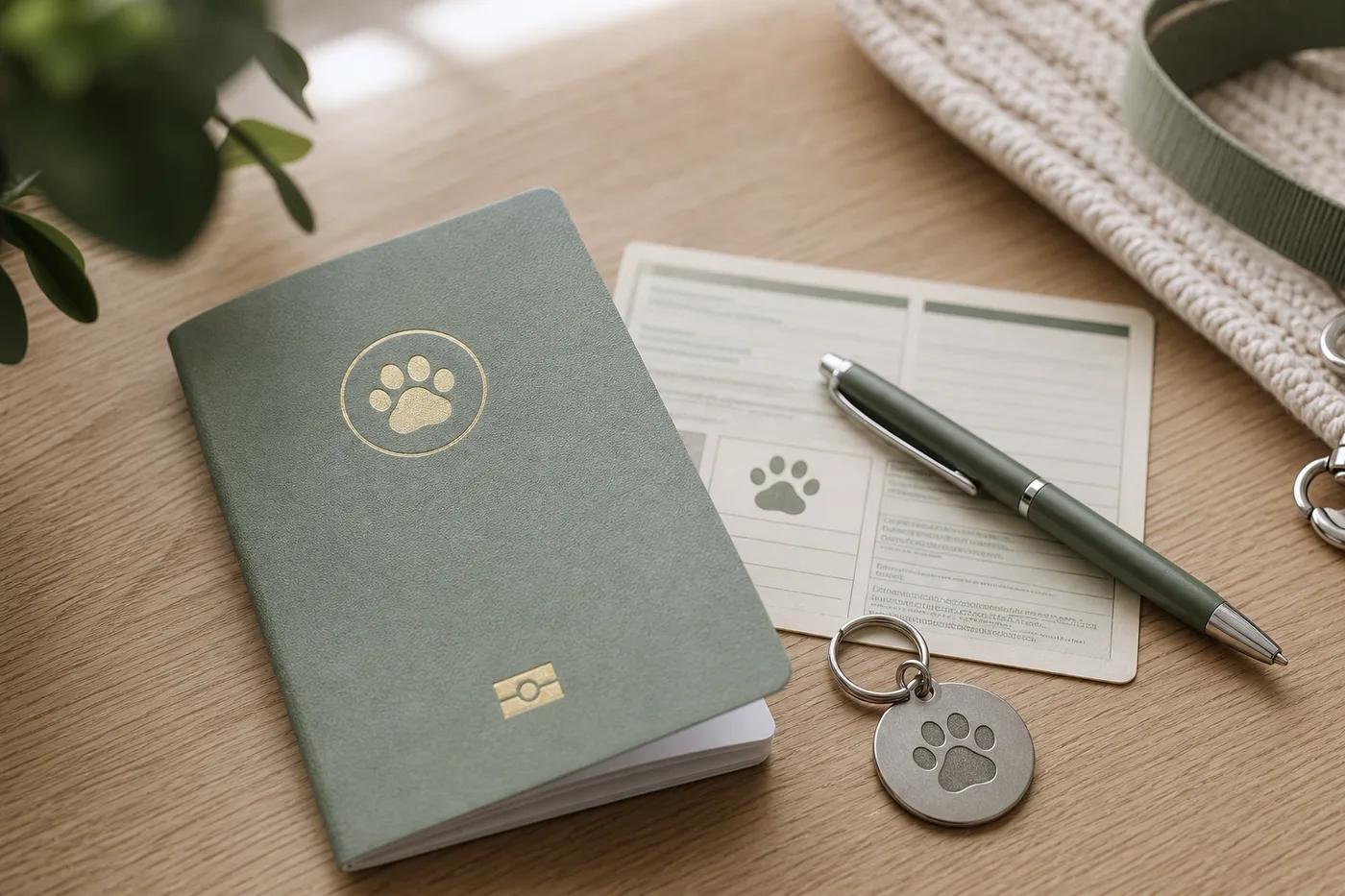
Name, species, breed, age, weight, microchip number, and a clear photo, formatted for humans and front-desk staff, not buried in a chart note.
Drug and food sensitivities sit above the fold. No scrolling past vaccination history to find what must not be administered.
Drug, dose, and schedule in plain language. Relief staff and locum vets get continuity without calling you mid-dinner.
Primary clinic, after-hours line, and your reachable number, because the right call at minute ten beats the perfect record at hour two.
Generate a link or card for a sitter, groomer, or airline check-in. Share facts, not your entire document archive.
Some kennels and carriers still want a sheet. Export a clean passport PDF that matches what they expect to see.
Core identity and emergency fields are included on the free tier, because safety should not wait for a subscription.
Change a medication dose once; every shared view reflects it. No re-sending attachments after each vet visit.
PetClues complements official import/export paperwork where required. We make everyday handoffs reliable; embassies still issue their own forms.
You choose who sees the passport. Links can be scoped and revoked when a trip ends.
Emergencies compress time. Someone asks about drug allergies while your pet is triaged. A sitter notices labored breathing and needs your vet’s number. A hotel clerk wants confirmation that vaccines are current before they allow a late check-in.
In those moments, “it’s somewhere in my email” is not an answer. A digital pet passport is a deliberate slice of your record, only what a stranger needs to act safely, nothing more.
Paper cards get lost. Camera-roll screenshots lack structure. A maintained passport view is the middle path: fast, legible, and tied to the same source of truth as your full health timeline.
Airlines and kennels rarely want your entire medical history. They want proof of rabies, contact details, and sometimes a recent health certificate. Your passport should surface those fields without exposing unrelated diagnostics.
Before international travel, confirm which documents are statutory versus which are simply prudent. PetClues holds the prudent layer, so you are not rebuilding a packet from scratch every trip.
For domestic boarding, send the passport link when you book, not the morning of drop-off. Facilities appreciate lead time to file paperwork correctly.
Friends love your pet; they may not love decoding prescription labels. List medications in words a non-medical person understands. Note timing quirks, food requirements, anxiety protocols, when to call the vet versus wait.
Include behavioral cues that affect safety: fear of men in hats, escape risk at doorways, aggression triggers with other dogs. Clinics need clinical facts; sitters need both clinical and household facts.
Revoke access when the trip ends. A passport link for a two-night stay should not linger for months.
Your health record is the archive: labs, imaging reports, years of visits. Your passport is the executive summary for people who will spend five minutes with your pet, not fifty.
Keep the passport current when anything changes: new allergy diagnosis, antibiotic course, temporary sedative for travel. Stale passports are worse than none, they breed false confidence.
When a clinic needs depth, export from the timeline. When a stranger needs orientation, send the passport. Mixing the two creates noise.
Start with non-negotiables: photo, microchip, rabies date, primary vet phone, your phone. Add medications only if actively administered, do not list every drug tried last year.
Use the notes field for judgment calls: “OK with small amounts of chicken as treat,” “Do not use retractable leash, shoulder injury.” These are the details loving owners know and strangers do not.
Review quarterly even if nothing dramatic happened. Weight drifts, phone numbers change, clinics merge. A five-minute audit prevents a stressful correction later.
Consider what a stranger must never do: foods that trigger pancreatitis, drugs that caused hives, restraint that panics your pet. The passport is where prohibitions live, not buried in narrative notes.
The best emergency handoff is unremarkable: correct allergy listed, correct vet number, correct weight. No drama, no improvisation. Boring is the design goal, excitement means someone is filling gaps under stress.
PetClues keeps passport fields tied to your living record. Update a prescription after a visit; the passport reflects it without a separate editing pass. That coupling is what separates a maintained passport from a PDF you emailed once in 2024.
For households with multiple caregivers, the passport is the shared truth layer. Full records stay private; the passport is what everyone agrees on when they pick up from boarding or answer a clinic callback.
Front-desk staff are not clinicians. They scan for rabies date, contact phone, and sometimes breed restrictions. Your passport should answer those fields in the first screen, not after twelve scrolls of clinical history.
If a carrier requires a health certificate within a narrow window, note the certificate date separately from the vaccine date. They are related but not identical; conflating them causes avoidable rejections.
Keep a printed backup when crossing borders or flying legacy carriers with spotty Wi-Fi. Digital-first does not mean digital-only.
Two passports, two rabies dates, two microchip numbers. Kennels will not sort this for you. Per-pet passports prevent cross-wiring when names sound similar or breeds look alike to staff.
When only one pet travels, send only that passport link. Partial sharing reduces leak of unrelated medical detail.
Household emergency contacts can be shared; medication lists must not be. Verify each passport before every trip.
No. Official pet passports for international travel are issued by authorized veterinarians under specific regulations. PetClues provides a practical emergency and handoff summary for everyday use.
Yes. Share a scoped view or export a PDF for kennels and carriers that require paper.
State “none known” explicitly. Absence of information is often read as absence of risk, which is not the same thing.
Export a PDF for trips with limited connectivity. Keep it with travel documents as a backup.
Yes. Household members on your account see the same live passport; external sitters can receive a link.
Core passport fields and sharing are included free for one pet.
Fill the passport fields you already know. Add the rest after your next visit.
PetClues is not veterinary advice. Always consult a licensed veterinarian for diagnosis, treatment, and urgent medical decisions.