
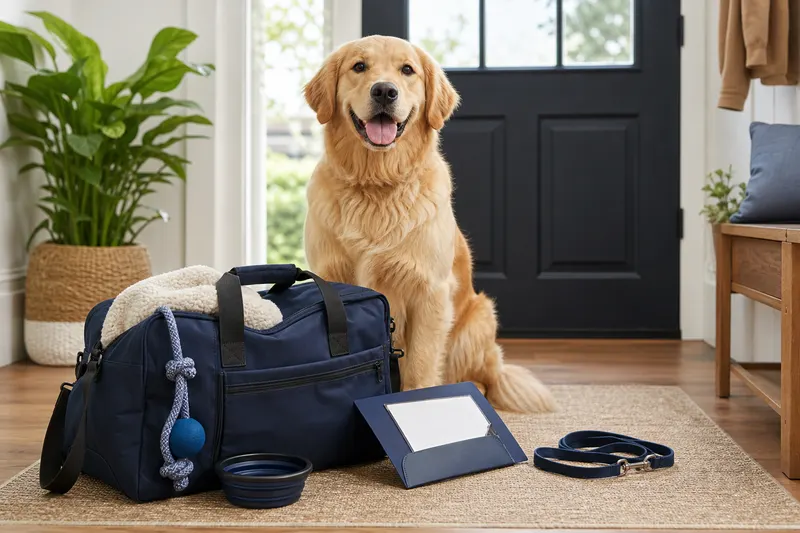
Pet Boarding Preparation: Vaccination Records & Health Forms
Good pet boarding preparation is mostly paperwork, not packing. The most common boarding-day problem is arriving without the right vaccination records or clear medication instructions. A simple prep plan prevents last-minute stress and helps staff care for your pet correctly.
This guide covers vaccination proof, health forms, medication instructions, and a practical timeline for boarding readiness.
Why this matters
Boarding introduces close contact, new routines, and reliance on others to follow your instructions. Clear documents reduce errors and keep your options open.
PetClues can help by storing vaccine certificates, meds, and emergency info in one shareable place, so you can send exactly what the facility needs.
Why this matters (real pet parent scenarios)
“Boarding” is a broad word. For most families, it can mean: - A weekend wedding where drop-off is rushed and you’re already late - A work trip where you’re in a different time zone and harder to reach - Holiday travel where the facility is extra busy and intake rules are stricter
In those scenarios, small gaps become big problems: - The facility can’t accept your pet without rabies proof, even if your pet is vaccinated - A medication dose is skipped because timing or instructions were unclear - A chronic condition (allergies, seizures, arthritis) is missed because the staff didn’t know what “normal” looks like for your pet
Boarding preparation is really about protecting three things: your pet’s health, the staff’s ability to follow your instructions, and your ability to make good decisions quickly if a call comes in.
What boarding facilities commonly require
Vaccination records
Common requests include: - Rabies certificate - Core vaccine proof (dogs often DHPP; cats often FVRCP) - Facility-specific vaccines (varies)
Use: - puppy vaccination schedule - cat vaccination schedule
Health and emergency forms
Facilities may request: - Emergency contact - Vet authorization plan - Parasite prevention history
Medication instructions
Provide: - Name, dose, timing, and administration method - “Missed dose” instructions (if provided by your vet)
Build the schedule with pet medication reminder.
Step-by-step: boarding preparation timeline
2-4 weeks before
- Confirm facility requirements and deadlines.
- Update vaccines early enough to meet “must be given X days before boarding” rules.
- Ensure preventatives are current.
- Choose an emergency contact who can answer calls.
3-7 days before
- Print or download vaccine certificates.
- Prepare a labeled medication kit by day and time.
- Write a one-page routine summary.
Boarding day
- Hand over documents and meds in an easy format.
- Confirm emergency authorization and contact methods.
- Ask how appetite drops or diarrhea will be handled.
What to send the facility (email template idea)
To reduce drop-off stress, many pet parents email the essentials 24-48 hours before check-in: - Rabies certificate and core vaccine proof - Medication list with last dose time and next dose due - Emergency contact and consent guidance - One-page routine summary (feeding, potty/walk/litter box, behavior notes)
This gives staff time to review, reduces mistakes, and makes drop-off smoother.
Month-by-month: keep your pet “boarding-ready” year-round
The easiest boarding prep is the kind you do gradually, not the night before.
Monthly - Confirm flea/tick dosing happened (and log it). See flea tick prevention. - Confirm heartworm prevention is up to date if your dog takes it. See heartworm prevention schedule. - Do a 60-second daily check-in once a week: appetite, stool, energy, itching. This gives you a baseline if staff reports changes.
Quarterly - Review your pet’s emergency summary and contacts. - Check that your backup contact’s phone number is still correct. - Upload any new invoices or visit summaries so your “current meds” list is accurate. If your records are scattered, start with organize pet medical records.
Annually (or as your vet recommends) - Review vaccine schedule and booster timing: - Dogs: puppy vaccination schedule - Cats: cat vaccination schedule - Update microchip details if you moved or changed numbers: microchip registration
Common mistakes (and how to avoid them) - Waiting until drop-off week to check vaccine requirements - Bringing an invoice screenshot instead of a rabies certificate (some facilities require the certificate specifically) - Not listing the last dose time for medications - Assuming “no news is good news” and not specifying when you want updates - Forgetting to disclose allergy or anxiety history that affects handling - Sending too many files without a summary, so staff misses the key information - Packing meds without labels or dosing tools (no syringes for liquids, no pill pockets)
What veterinarians recommend (practical expert tips)
Many clinics advise boarding families to focus on prevention and clarity: - Avoid last-minute vaccine timing: vaccines may have “must be administered X days before boarding” rules; plan early. - Keep parasite prevention consistent: boarding increases exposure; gaps matter. - Make medication instructions unambiguous: name, dose, frequency, and what counts as “missed.” - Document your baseline: if your pet has allergies, GI sensitivity, or anxiety, your vet will often ask what’s normal at home so staff can spot changes.
If your pet takes daily meds or has a chronic condition, consider creating and sharing a short emergency passport using pet emergency information. PetClues can store this emergency summary alongside vaccine certificates and medication lists so you can share it once without hunting through multiple apps.
A one-page routine summary (copy this structure)
Keep it simple and readable: - Feeding times + portions + treat rules - Potty/walk routine (or litter box notes) - Medications + exact timing + how to administer - Behavior and handling notes (fearful, leash reactivity, needs muzzle) - “When to call” thresholds (vomiting twice, no appetite for 24 hours, labored breathing)
If you want a dedicated sitter-style version for boarding staff, adapt pet sitter instructions.
FAQ
What’s the most important part of pet boarding preparation?
Having vaccine proof and medication instructions ready before drop-off, plus an emergency authorization plan.
How do I avoid being turned away at boarding?
Confirm requirements early, meet vaccine timing rules, and keep certificates accessible.
Should I share full medical records?
Usually the essentials are enough: vaccine proof, meds, and emergency info. Keep full records accessible digitally.
How can PetClues help with boarding paperwork?
It can store certificates and prescriptions and make it easier to share the right PDFs quickly.
What if my pet has allergies or chronic conditions?
Include clear notes and meds, and ensure staff knows when to contact you. An emergency summary helps.
Should I provide a routine schedule?
Yes. Feeding times, walk/potty rhythm, and comfort notes reduce stress and improve care consistency.
What documents should I hand over at check-in?
Provide rabies certificate, core vaccine proof, medication instructions, emergency contacts, and any facility forms. Keep full records digitally for backup.
How do I prepare medications so staff can’t misread them?
Use original labeled containers when possible, include dosing tools, and write “last dose time” and “next dose time” clearly.
What should I do if my pet is prone to diarrhea under stress?
Tell the facility your baseline and triggers, keep food consistent, and ask your vet about a travel/boarding plan. Logging patterns ahead of time helps.