
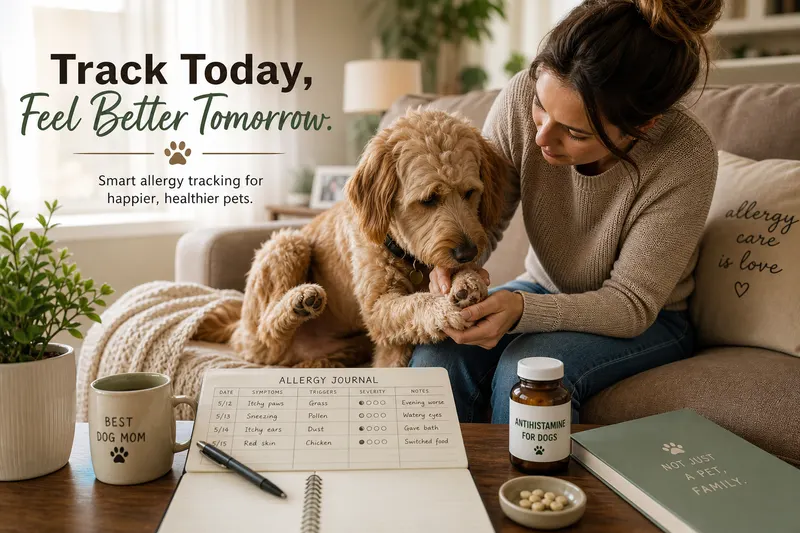
Pet Allergy Tracker: Symptoms, Triggers & Vet Record Keeping
A pet allergy tracker helps you turn frustrating flare-ups into useful patterns by logging symptoms, triggers, and records consistently. Allergies can look random-itchy paws one week, ear issues the next, soft stool after a new treat-until you see the timeline.
This guide shows how to track allergies without overcomplicating your life, how to spot common triggers, and how to bring actionable notes to your vet.
Why this matters
Allergies are often multi-factor: - Environmental exposures (pollen, dust) - Parasites (fleas) - Food sensitivities - Secondary infections in ears/skin
Tracking prevents “change everything at once” chaos. PetClues can capture daily check-ins, store records and prescriptions, and keep prevention reminders consistent so your allergy data stays reliable.
What to log
Symptoms - Itching intensity (mild/moderate/severe) - Locations (paws, ears, belly, face) - Ear odor/debris - Redness or hot spots - Sneezing/eye discharge - Stool changes
Triggers and exposures - New foods/treats - New detergent/cleaner - Grooming products - New walk routes (grass, water, woods) - Seasonal shifts
Treatments and response - Medications started/changed - Baths/topicals - Diet trial steps - How symptoms changed over 24-72 hours
Step-by-step tracking routine
- Pick a daily check-in time.
- Rate symptoms quickly (a 1-3 scale is enough).
- Note any changes (food, environment, missed preventative).
- Review weekly for patterns.
- Bring a 2-4 week summary to your vet.
Prevention is part of allergy control
Fleas can amplify itching even in pets with broader allergies. Keep prevention consistent with flea tick prevention.
Common allergy patterns (what your tracker helps reveal)
Many pets cycle through patterns that only become obvious with consistent notes.
Seasonal flare pattern
Clues include: - Symptoms spike in the same months each year - Itching increases after windy days or outdoor time - Paw licking worsens after grass exposure
When you see this pattern, your vet may adjust management seasonally rather than “chasing” symptoms week to week.
Food sensitivity pattern
Clues include: - GI symptoms (soft stool, gas) that correlate with treats or new proteins - Skin issues that persist regardless of season
If your vet recommends a diet trial, tracking is essential because the trial only works if changes are controlled.
Step-by-step: track a food trial correctly
- Choose one plan with your vet (novel protein or hydrolyzed diet).
- Set a strict window (often 6-10+ weeks, vet-guided).
- Log everything eaten: meals, treats, chews, flavored medications.
- Track symptoms weekly using the same scale.
- Reintroduce carefully only if your vet instructs you to.
If you can’t keep food notes consistent, the trial becomes noise and you may lose months without answers.
Ear and skin infections: track them as events
Allergy pets often have secondary infections. Track: - Date symptoms started - Treatment start date and end date - How quickly odor/redness improved - Whether it returns after stopping meds
This helps your vet decide whether the issue is primarily allergic inflammation, infection, or both.
Bring better data to the vet (simple summary)
Before an appointment, write: - Top 2 symptoms and how long they’ve lasted - Top suspected triggers (with dates) - What treatments you tried and what changed
PetClues helps you keep this summary aligned with actual records and prescriptions, so you don’t rely on memory.
Why this matters (real allergy weeks)
Allergy management is emotionally draining because flare-ups interrupt normal life: - Your pet wakes you up at night licking paws or scratching ears - You keep buying new shampoos, chews, and supplements with no clear result - Your vet asks, “What changed before this started?” and you honestly can’t remember - Symptoms improve, then suddenly return, and you don’t know what triggered it
A pet allergy tracker doesn’t cure allergies, but it reduces the “guessing spiral.” When you can describe frequency, timing, and exposures, your vet can choose the next step more confidently-whether that’s flea control, infection treatment, a food trial, or long-term allergy management.
Common mistakes (and how to avoid them) - Changing multiple variables at once (food + treats + shampoo + meds), so you can’t tell what helped - Treating flare-ups as isolated events rather than a pattern over weeks - Skipping parasite prevention during a “low bug” month, then mistaking flea-triggered itching for allergy progression - Not tracking ear symptoms separately from skin symptoms (they may need different treatments) - Ending a food trial early because improvement is slow (many trials require weeks) - Forgetting flavored medications and treats during food trials - Not saving prescriptions and visit notes, making it hard to compare what was tried
If you need a record system to support this, see organize pet medical records and keep invoices interpretable with vet bill organizer.
What veterinarians recommend (expert tracking and care tips)
While your vet will tailor treatment, common guidance includes: - Control the basics first: consistent flea/tick prevention and treating any secondary infections before concluding it’s “just allergies.” - Track severity, not just presence: “mild vs severe” helps evaluate medication response. - Treat tracking like an experiment: change one major variable at a time when possible. - Bring a concise summary: 2-4 weeks of data, plus a list of treatments tried and dates.
If your pet takes multiple meds, keep dosing clear using pet medication reminder so your “what changed” timeline stays accurate.
A 60-second daily allergy check-in (template)
If you want the simplest possible routine, log: - Itch level (mild/moderate/severe) - Where itching happened (paws/ears/belly/face) - Any diet changes or treats - Any meds given today - One sentence note: “worse after grass walk” or “ears smelled stronger”
FAQ
What is a pet allergy tracker?
A simple log of symptoms, exposures, and treatments that helps identify triggers and measure progress.
How detailed should my tracking be?
Keep it simple and consistent. Daily symptom ratings plus notes on changes is often enough.
How long should I track before patterns appear?
Many people see useful patterns in 2-4 weeks, especially across diet or seasonal changes.
Can flea prevention reduce allergy symptoms?
Yes. Fleas can worsen inflammation and itching, so consistent prevention can reduce baseline flare intensity.
Should I change food immediately?
Ask your vet first. Food trials work best when structured and tracked rather than when multiple foods change at once.
How can PetClues help with allergy tracking?
It supports daily check-ins, stores records and prescriptions, and keeps prevention and medication reminders aligned with what you’re tracking.
What should I do if symptoms are suddenly severe?
Severe itching, facial swelling, breathing changes, or intense pain warrants urgent veterinary attention. Use your emergency info and act quickly.
How do I tell if an ear problem is allergies or infection?
Allergies can predispose ears to infection, but odor, discharge, pain, and head shaking often suggest infection. Track symptoms and contact your vet for proper diagnosis.
Should I bathe my pet more during flare-ups?
Ask your vet. Some pets benefit from specific medicated shampoos or wipes, but overbathing with the wrong products can worsen dryness and irritation.
How long should I keep tracking once symptoms improve?
Keep a lighter version of tracking for at least a few weeks. It helps confirm improvement is stable and identifies triggers if symptoms return.