
Oral healthsmall breed
Teething and Dental Care for Pembroke Welsh Corgis
A teething-to-adult dental timeline for Pembroke Welsh Corgis - deciduous loss, chew safety, and how crowded mouths in small dogs become periodontal disease by year three.
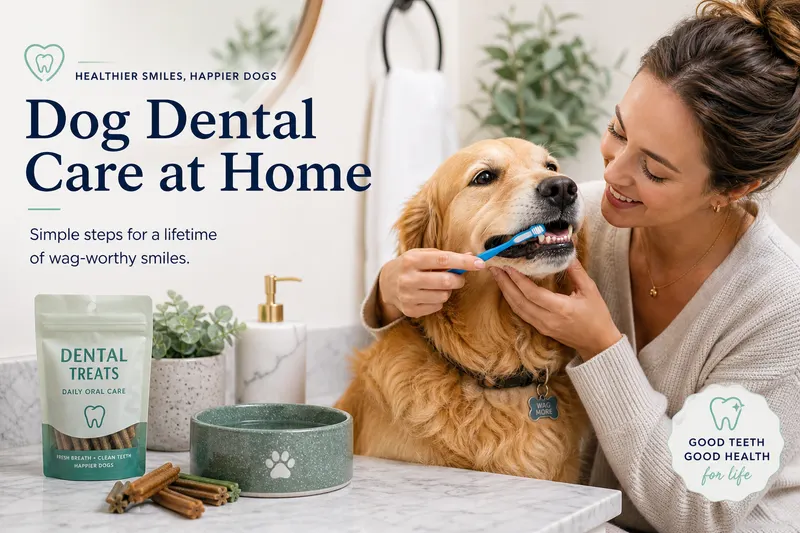
Clinical context
Why this stage is different for Pembroke Welsh Corgis
Pembroke Welsh Corgi puppies typically shed deciduous teeth between 12 and 24 weeks. Small and toy jaws crowd easily; retained baby canines are common. Pair a chew log with vaccine visits so retained teeth are extracted while the dog is already under anesthesia for spay/neuter when appropriate. Adult dental care is cheaper than extracting a fractured carnassial later. For a small Pembroke Welsh Corgi, keep portions honest and write down what the clinic actually did, not what you meant to ask. Because this breed watches IVDD and degenerative myelopathy, put that line on the same page as this teething and dental care plan so a new veterinarian is not guessing.
Interactive watch list
Oral health symptom checklist
Dated protocol
Pembroke Welsh Corgi dental timeline
3-4 mo
Incisors shed
Expect extra chewing. Redirect to textured rubber, not household wood.
4-6 mo
Canines and premolars
Check weekly for two teeth in one socket - common in small Pembroke Welsh Corgis.
6-7 mo
Adult set in
Ask the veterinarian to confirm no retained deciduous teeth before spay/neuter day.
12 mo
Baseline dental photo
Gum line photos make tartar progression obvious at the next annual.
2-3 yr
First professional assessment
Toy and small breeds often need earlier cleaning under anesthesia than giant breeds.
Breed-specific briefing
Why this Pembroke Welsh Corgi page is not a copied template
This is not a generic dog article with the word Pembroke Welsh Corgi pasted in the headline. It is a teething and dental care plan for a small herding dog whose adult weight is 22-30 lb and whose typical lifespan is 12-13 years. Searchers also use "corgi" for this breed.
The medical watch list that should sit next to this oral health work is IVDD and degenerative myelopathy. If a paragraph on this site could apply equally to a Chihuahua and a Mastiff, it does not belong on this URL.
Small-breed puppies mature faster than giants and still need controlled calcium. Jumping off couches during teething is how you buy an orthopedic invoice later.
Herding breeds need a job. MDR1 testing matters before you volunteer ivermectin folklore. Eye screens belong on the same calendar as vaccines for many of these dogs.
Because IVDD and degenerative myelopathy sits on this breed's chart, teething and dental care decisions should assume a spine that does not love stairs or sofa jumps. Log mobility the same week you change food or vaccines.
IVDD and disc risk change how you run this Teething and Dental Care plan: no sofa jumps, no twisting play, and a harness instead of a collar. Film a standing walk every month so a neurologist sees a baseline. If the dog goes down, crate rest starts before the search history.
For this Teething and Dental Care stage, treat disc-risk handling as a household rule. Ramps, a written no-stairs-when-painful note, and a neurologist phone on the fridge beat a new orthopedic bed. Put pain scores in the vault before the crisis.
Practical standard for this page: photograph every certificate the day it is issued, put the next due date in a shared reminder, and store the PDF beside weight and stool notes so a boarding desk, neurologist, or ER in a strange zip code can read the same Pembroke Welsh Corgi file.
If IVDD and degenerative myelopathy is already active, do not start a new diet, supplement, or over-the-counter pain drug without putting the change on the timeline. Stacking treatments is how "we tried everything" becomes an unreadable chart.
Digital vault
Records that change dental outcomes
- Date-stamped photos of the gum line every 90 days.
- List of chews that caused fractures or diarrhea - share with sitters.
- Anesthesia dental reports with extracted tooth numbers (Triadan).
- Note if IVDD and degenerative myelopathy affects anesthesia planning (airway, heart, kidneys).
- Home-care product name and frequency - "we brush sometimes" is not a protocol.
- Schedule the next Pembroke Welsh Corgi oral check on the same calendar as vaccines so it is not skipped.
- Photograph labels and certificates the same day they are issued for this Pembroke Welsh Corgi.
- Note the clinic name and city every time. Pembroke Welsh Corgi families move; portals do not travel with them.
- If IVDD and degenerative myelopathy changes handling (heat, stairs, sedation), write that in the visit note before you forget.
- Export a PDF before boarding, relocation, or a specialist referral.
Bowl notes
Diet and chews
Kibble is not a dental treatment. If tartar is already present, brushing or professional care is required.
Dental treats count toward calories - critical for adult weight management later.
Avoid cooked bones. They splinter and do not "clean teeth."
If a Pembroke Welsh Corgi prefers soft food only, plan earlier professional cleanings - texture preference is not a cleaning method.
Keep the current bag photo and first ingredient list next to this Pembroke Welsh Corgi plan.
For a small Pembroke Welsh Corgi, keep portions honest and write down what the clinic actually did, not what you meant to ask.
Do not start a new protein, supplement, or "joint chew" the same week you change this teething and dental care plan. You will not know what caused a flare.
Because this breed watches IVDD and degenerative myelopathy, put that line on the same page as this teething and dental care plan so a new veterinarian is not guessing.
SERP-ready clinical FAQ
Teething and Dental Care for Pembroke Welsh Corgis - common questions
Most deciduous teeth are gone by 6-7 months. If you still see a baby canine beside an adult canine, schedule extraction - especially in toy and small Pembroke Welsh Corgis.
No. Hard chews (antlers, nylon, ice, hooves) are a leading cause of slab fractures. Use flexible rubber and supervised food puzzles instead.
Daily is the goal. A few times a week still beats never. Use a dog toothpaste; human paste is not for swallowing.
When tartar, gum inflammation, or breath persists despite home care - often earlier in toy and small mouths. Your veterinarian decides anesthesia timing from the exam, not from a calendar meme.
The last certificates, the current food bag photo, a weight, and a short list of meds. If you use PetClues, open the timeline on your phone. Clinics work faster when they are not reconstructing history from memory.
It is built around a small herding dog at 22-30 lb, lifespan 12-13 years, with IVDD and degenerative myelopathy on the watch list. If a tip would fit a Chihuahua and a Mastiff the same way, it does not belong here.
From the PetClues library
Editorial guides this Pembroke Welsh Corgi page is built on
These are the existing long-form blogs, not cloned matrix text. Read them, then come back to this teething and dental care checklist.
Internal PageRank loop
More Pembroke Welsh Corgi Health Guides
Cross-link into the clinical breed-condition library so this lifecycle URL passes equity to the medical matrix - and so owners can move from diet timing to disease surveillance without a dead end.
Related Lifecycle Stages
The other 14 lifecycle and diet briefs for Pembroke Welsh Corgis - stay inside this breed cluster instead of bouncing to a generic feeding article.
PetClues is not veterinary advice. Always consult a licensed veterinarian for diagnosis, treatment, and urgent medical decisions.