
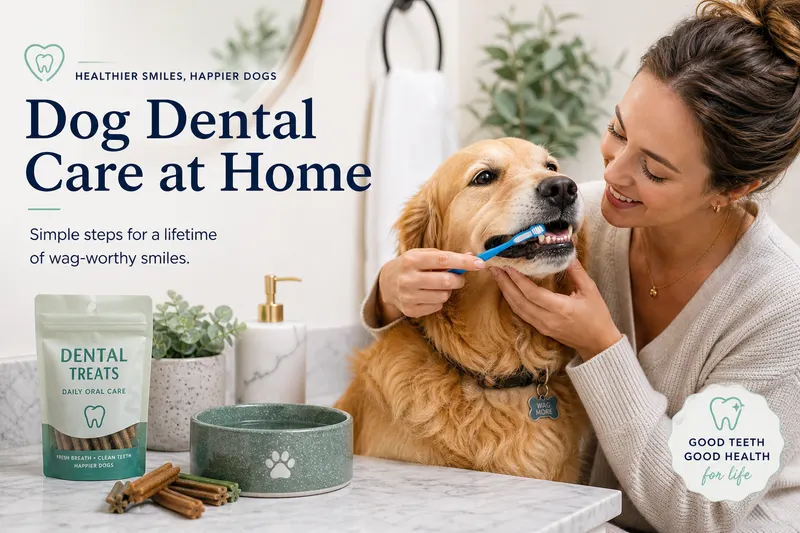
Dog Dental Care Schedule: Cleanings, Home Care & Vet Reminders
A reliable dog dental care schedule can prevent a surprising number of problems: bad breath, painful chewing, infections, and even appetite changes that look like “picky eating.” The challenge is that dental disease progresses quietly. Without a plan-home care plus cleanings and reminders-many dogs don’t get dental care until pain is obvious.
This guide helps you build a realistic schedule, know what to watch for, and keep records and reminders so dental care doesn’t fall off the list.
Why this matters
Dental disease can lead to: - Chronic pain - Tooth loss - Gum infection - Difficulty eating - Increased systemic inflammation risk
It’s also expensive when delayed. A schedule and reminders help you spread care into small steps. PetClues can store dental invoices, anesthesia notes, and set reminders for at-home care and rechecks.
A practical dog dental care schedule
Daily or near-daily (ideal) - Tooth brushing (even 3-4 times/week helps) - Quick mouth check during cuddles
Weekly - Check breath, gum redness, and chewing behavior - Inspect for broken teeth or mouth sensitivity
Every 6-12 months (vet-guided) - Dental evaluation during wellness visit - Cleaning recommendations based on risk
Some dogs need cleanings more often due to breed, crowding, or prior disease. Your vet will guide frequency.
Step-by-step: build the habit
- Start small: let your dog lick toothpaste, then touch teeth briefly.
- Pick a consistent time (after dinner works for many).
- Use reminders for brushing and for vet dental rechecks.
- Log dental events: cleanings, extractions, reactions to anesthesia.
- Watch appetite and chewing for early warning signs.
PetClues helps with reminders and record storage so you can answer, “When was the last cleaning?” quickly.
Signs dental care needs attention - Bad breath that worsens - Dropping food or chewing slowly - Pawing at mouth - Bleeding gums - Yellow/brown tartar buildup
If weight changes accompany appetite shifts, track it with dog weight tracker.
Why this matters (real pet parent scenarios)
Dental disease often hides behind everyday moments: - Your dog still wags and plays, but suddenly leaves kibble behind - “Picky eating” starts after a chewy treat, and you assume it’s behavioral - Your dog eats, then backs away from the bowl and licks their lips repeatedly - A senior dog sleeps more and walks less, and the real issue is mouth pain
Because dogs are good at masking pain, dental problems can progress for months. A predictable dog dental care schedule makes it more likely you catch issues early-when cleanings are simpler and your dog is more comfortable.
Step-by-step: a realistic 12-month dental plan
Use this as a repeatable cycle (your vet may adjust based on risk).
Month 1: baseline and setup
- Do a calm mouth look in good lighting (gums, tartar, broken teeth).
- Start toothpaste introduction (lick-only for a few days).
- Set a reminder schedule you can maintain (3-4x/week is a great start).
Months 2-3: build the brushing habit - Increase brushing time slowly (10 seconds → 30 seconds → 60 seconds) - Focus on outer surfaces (where plaque builds fastest) - Log “brushed” days so you see your true consistency
PetClues can be used here as a gentle reminder system and a place to store dental visit invoices and recheck dates alongside other records.
Months 4-6: evaluate chewing and breath trends - Note breath changes and chewing behavior in quick weekly notes - Watch for one-sided chewing or food dropping - If your dog has allergies, note flare-ups that may worsen mouth inflammation: pet allergy tracker
Months 6-12: vet evaluation + plan
At your wellness visit, ask for a dental assessment. If cleaning is recommended: - Get the proposed plan (cleaning + possible extractions) - Ask what pre-anesthesia labs are advised - Store the estimate and invoice so future comparisons are easy
If bills and line items are confusing, use vet bill organizer as a decoder and storage plan.
Common mistakes (and how to avoid them) - Waiting for “bad breath” before starting care (it’s a late sign) - Starting brushing too aggressively and creating a negative association - Brushing inconsistently and giving up after a missed week - Assuming chews alone replace brushing (they can help, but they’re not a full plan) - Ignoring subtle chewing changes or food dropping - Forgetting to store anesthesia notes and extraction details for future care decisions - Not updating your emergency info after dental medication changes
If your dog takes post-dental meds, keep timing clear with pet medication reminder.
What veterinarians recommend (expert tips)
Vets often recommend focusing on comfort and prevention: - Start early and go slow: training the mouth-touch routine reduces stress and improves long-term compliance. - Prioritize consistency: 3-4x/week brushing beats an “all or nothing” approach. - Watch weight and appetite together: mouth pain can reduce eating, and weight loss can be subtle. Track trends with dog weight tracker. - Consider senior context: senior dogs may need tailored plans for mobility and chronic meds; integrate with senior dog care.
At-home tools that complement brushing
Brushing is the core habit, but you can also support dental health with: - Vet-approved dental chews (choose sizes appropriate for your dog) - Water additives or wipes if brushing is still a work in progress - Regular mouth “look checks” so you notice redness, broken teeth, or sensitivity early
These tools are not perfect substitutes for brushing, but they can help you stay consistent while your dog learns the routine.
FAQ
How often should dogs get dental cleanings?
It varies by dog. Many are evaluated annually, and cleanings are scheduled based on tartar, gum health, and risk factors.
Is brushing really necessary?
Brushing is one of the most effective at-home tools. Even a few times per week can slow plaque buildup.
What should I store from a dental visit?
The invoice, anesthesia notes, any extraction details, and the recheck plan. Store them with your health records for future reference.
Can dental issues affect appetite?
Yes. Pain can cause picky eating, slower chewing, and food dropping.
How can PetClues help with dental care?
It can store dental records, set reminders for brushing/rechecks, and keep a timeline you can share with your vet.
Are some breeds higher risk?
Yes, especially small breeds with crowded teeth, but any dog can develop dental disease without routine care.
What’s the best first step if my dog won’t tolerate brushing?
Start with toothpaste licking, then brief tooth touches, then 5-10 second “micro-brush” sessions. Build comfort before increasing duration.
What records should I keep after a cleaning?
Keep the invoice, anesthesia monitoring notes (if provided), extraction details, and the recheck plan. These matter for future dental timing and medication decisions.
Can dental disease affect behavior?
Yes. Mouth pain can cause irritability, reduced play, pawing at the mouth, or avoidance of certain toys and chews.
How do I know if chewing changes are dental or something else?
Track the timing, foods involved, and any mouth sensitivity. If chewing changes persist or worsen, schedule a vet evaluation.