
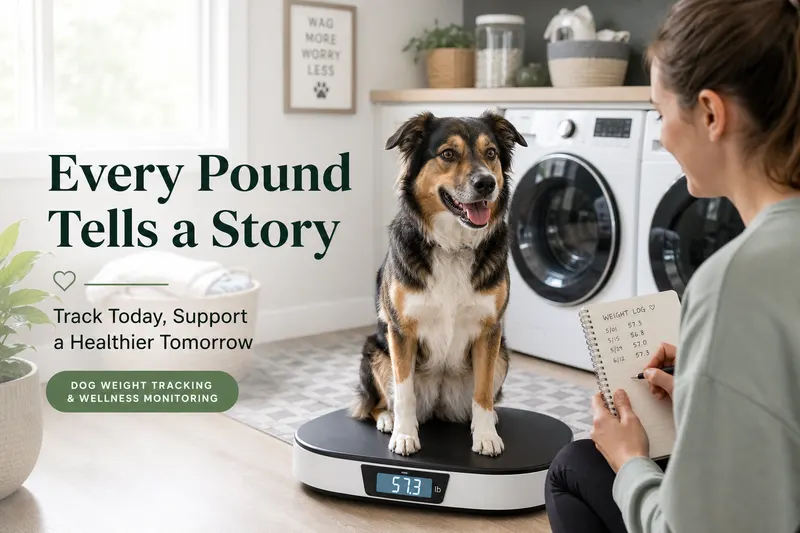
Dog Weight Tracker: Log Trends for Better Vet Conversations
A dog weight tracker helps you catch health changes early because weight tends to drift slowly. By the time weight gain or loss is obvious, it may have been happening for months. A simple log makes trends visible and gives your vet concrete context.
This guide shows how to track weight, interpret trends, and connect the numbers to feeding, activity, and symptoms.
Why this matters
Weight influences: - Joint stress and arthritis symptoms - Heart and respiratory effort - Medication dosing - Energy level and heat tolerance
PetClues can store weight entries alongside daily check-ins and vet records, so you can share a clear trend story quickly.
Step-by-step: create a dog weight tracker
- Weigh your dog using a consistent method (same scale, similar time).
- Track weekly if weight is changing; otherwise monthly.
- Add notes when something changes (new food, less walking, illness).
- Review trends every 4-8 weeks, not daily.
Pair weight with routine data
Weight makes more sense when you track: - Meal portions and treats - Walk duration and intensity - Appetite and stool
Use dog feeding schedule to standardize routines while you track.
How to interpret weight trends (without panic)
It’s easy to overreact to a single number. Instead, use a simple rule: look for direction, then look for explanation.
What “normal fluctuation” can look like
Short-term swings can come from: - Different hydration levels - A bigger-than-usual poop before weigh-in - A salty treat day - Different time of day
If the number bounces but returns to baseline, it’s usually not a crisis.
What a meaningful trend looks like
Pay attention when: - The number moves the same direction for 3-4 readings - Your dog’s waistline or ribs feel different - Energy, appetite, or mobility changes alongside weight
Practical templates you can copy
Use these quick formats in your notes or tracker.
Weekly weigh-in entry template - Date: - Weight: - Feeding changes (if any): - Walk/exercise changes: - Treats (more/less/same): - Notes (stool, appetite, mobility):
“Treat audit” checklist
Treats are often the hidden driver of weight gain. List:
- Training treats (how many per day)
- Chews (type and frequency)
- Table scraps (who gives them)
- “Accidental” treats (kids, guests, multiple caregivers)
If multiple people feed or treat, set one rule: treat changes must be logged for two weeks so you can see what actually happened.
Step-by-step: respond to weight gain
- Confirm the trend with two more consistent weigh-ins.
- Measure meals for 14 days (no eyeballing).
- Reduce treat calories first (often easiest), then adjust meals if needed.
- Add low-stress activity (extra short walks) rather than one huge weekend hike.
- Track energy and mobility so changes stay safe-especially in seniors.
If mobility is limiting exercise, revisit your senior plan using senior dog care.
Step-by-step: respond to weight loss
Weight loss is not always “good.” Track: - Appetite changes - Vomiting/diarrhea episodes - Chewing discomfort - Increased thirst or urination
If you notice chewing changes, prioritize dental evaluation and review dog dental care schedule. If weight loss is steady or rapid, contact your vet promptly.
Vet visit prep: how to make your tracker useful
Bring: - The last 8-12 weight entries - A two-sentence summary: “Weight increased X over Y weeks; activity decreased; treats increased during training.” - Any diet/med changes and dates
PetClues helps here because you can keep weights, daily check-ins, and documents together, then share the trend story without digging through emails.
Why this matters (real weight surprises)
Weight trends often surprise caring pet parents because the changes are slow: - A dog gains “just a little” each month until stairs and heat become harder - A senior dog loses weight gradually while still eating, and the first clear sign is muscle loss - Training season increases treats and chews, and the scale drifts up even though meals didn’t change - Dental pain reduces chewing, and weight drops before you realize meals are being left behind
The goal of a dog weight tracker is not perfection-it’s early awareness and clear context so you and your vet can make safer decisions sooner.
Common mistakes (and how to avoid them) - Weighing at random times and comparing numbers that aren’t comparable - Reacting to one weigh-in instead of looking at a 4-8 week trend - Changing food, treats, and exercise all at once (then you don’t know what worked) - Forgetting treat calories during training blocks - Ignoring dental or GI symptoms that accompany weight changes - Tracking weight without tracking context (portions, activity, appetite) - Waiting until annual visits to notice drift
What veterinarians recommend (expert trend tips)
Vets commonly recommend: - Track consistently: same scale, similar time, and a simple note about any changes. - Pair weight with function: mobility, stamina, and appetite matter. If your dog is slowing down, revisit senior dog care. - Use routine anchors: stable meal times and measured portions help weight management. See dog feeding schedule. - Don’t ignore dental signals: chewing discomfort can change intake and weight quickly. See dog dental care schedule.
If a medication change coincides with weight drift, log it clearly and keep dosing consistent with pet medication reminder.
Quick weigh-in tips that improve accuracy - Weigh at the same time of day when possible - Keep collar/harness consistency (or remove it each time) - If your dog is wiggly, take 2-3 readings and use the average - Record “before breakfast” versus “after meal” in your notes - If the scale seems off, check it with a known weight occasionally
FAQ
How often should I track my dog’s weight?
Weekly during active weight management; otherwise monthly is often enough. Consistency is key.
What’s more important: one number or the trend?
The trend. Small fluctuations happen; steady drift over weeks is what matters.
Can weight loss be a dental issue?
Yes. Pain can reduce eating. Pair tracking with dog dental care schedule if chewing changes.
How can PetClues help with weight tracking?
It can log weight entries and keep them alongside feeding notes and daily check-ins so patterns are easy to share with your vet.
Does weight tracking matter for senior dogs?
Yes. Seniors can lose muscle or gain fat as mobility changes, and trends guide better senior care decisions.
What if my dog’s weight differs between home and the vet?
Use consistent home weigh-ins when possible and focus on long-term trends rather than single readings.
What’s a reasonable goal rate for weight loss?
Your vet can advise based on your dog’s size and health, but gradual, steady change is usually safer than rapid loss. Track energy and mobility along the way.
Should I track body condition score too?
If you can, yes. Notes like “ribs harder to feel” or “waist less visible” add context beyond the number.
Can allergies affect weight indirectly?
Yes. Itching, infections, or diet changes can affect appetite and activity. If allergies are an ongoing issue, track patterns with pet allergy tracker.