
Recovery IDAZ
Lost Pet QR ID Kit in Gilbert, AZ
A lost-pet QR and microchip packet for Gilbert: what a finder can open without calling you 40 times.
Local intake
What Gilbert desks actually ask for
Finders in Gilbert will scan a tag before they drive to a shelter. Family suburbs and desert heat means more off-leash parks, heat, or snow that separate pets from owners. Gilbert facilities typically want rabies and core vaccines. The lead magnet is an emergency profile that shows meds and a phone number. Pair the QR with chip registration and a digital passport that also holds boarding vaccines if a finder ends up at a clinic. Households in Gilbert, AZ (west) lose the most time when certificates live in three inboxes. Build the packet once, then reuse it for every recovery id ask.
Lost-pet risk in Gilbert tracks local life: family suburbs and desert heat. Gilbert facilities typically want rabies and core vaccines. A QR plus chip beats a name tag alone when a finder reaches a clinic desk. Search intent people type for this page includes: lost pet QR microchip emergency profile.
Lost Pet QR ID Kit in Gilbert, AZ is a records problem wearing a local-services costume. Gilbert facilities typically want rabies and core vaccines.
Climate and lifestyle in this metro: family suburbs and desert heat. That changes parasite pressure, heat-risk notes, hurricane or blizzard go-bags, and how often Bordetella or fecal tests get asked at intake.
The packet you hand a Gilbert desk should match the pet in front of them: name, microchip, rabies tag, and dates that do not contradict each other. A PDF on a different phone is why intake fails.
This recovery id page is the west version of that checklist. Use it to build one vault, then share a link with sitters and family instead of forwarding a 40-image text thread.
Keep prescription-diet authorizations, heartworm dates, and ER contacts in the same folder as the boarding vaccines. Gilbert clinics will not reconstruct your Google Photos album at 1 a.m.
People who land here on lost pet QR microchip emergency profile still need the same dated PDFs this Gilbert lost pet qr id kit page lists - search wording does not replace a matching name, chip, and rabies date.
Packet checklist
Documents to have on your phone
- Microchip registered to a live phone number
- Collar QR that opens a public emergency page
- Recent photo
- Meds and conditions a finder should know
- Your vet and a backup contact
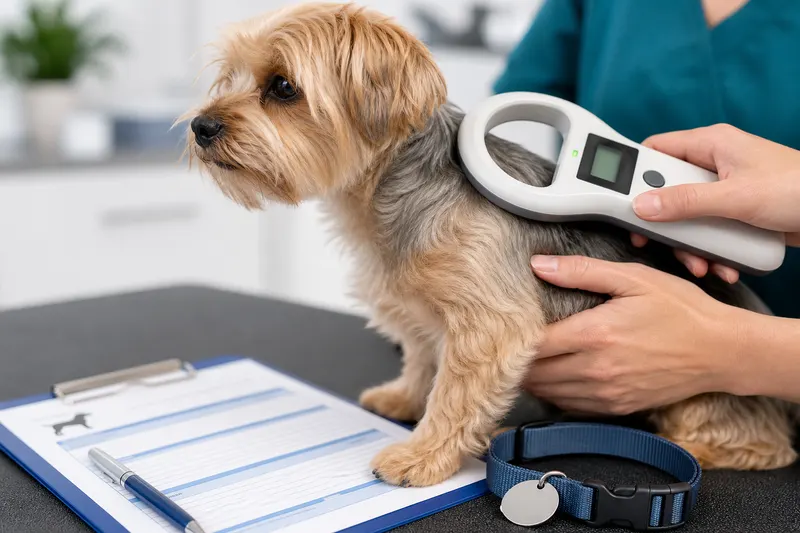
- Rabies certificate available to a clinic that scans the chip
- Heartworm or seizure notes if they change first aid
- Secondary contact who answers when you cannot
- Written policy or email from the Gilbert facility saved as a PDF
- Backup contact who can open the same vault if your phone dies
- County or city license steps for Arizona if they apply to this packet
How to run it
Three steps before drop-off
Register the chip
An unregistered chip is jewelry. Update the Gilbert phone number when you move.
Put a QR on the collar
PetClues public profiles are built for Gilbert finders with a phone.
Keep meds current
Seizure and diabetes notes change what a finder should do.
Link the full vault privately
Keep boarding vaccines and the sitter handoff behind login; the public QR only needs what a finder must see.
Name the file like a human
Use dates and the pet name, not IMG_4421. A Gilbert desk will not sort your camera roll.
Test the link offline
Open the packet on airplane mode once. If it fails in your kitchen, it will fail in their lobby.
SERP-ready clinical FAQ
Lost Pet QR ID Kit in Gilbert
It helps at a Gilbert clinic or shelter. A QR on the collar helps the neighbor who finds your dog at 9 p.m.
Your phone, meds that matter, and a photo. Not your home address. Keep full boarding vaccines in the private vault.
Yes. A sitter handoff should include how the QR works and which phone rings first in Gilbert.
Finders need your phone first. Clinics that scan the chip may ask for rabies. Keep the digital passport ready.
Because family suburbs and desert heat. That changes parasite pressure, heat notes, storm go-bags, and how often desks ask for Bordetella or fecals. A generic national checklist misses that.
Gilbert facilities typically want rabies and core vaccines. Start with rabies and core vaccines, then add whatever this recovery id packet lists. Put the PDFs in one vault before drop-off day.
Yes, as separate profiles in one household. Sitters and clinics still need the right animal matched to the right certificate. Shared folders without names are how mix-ups start.
Editorial guides this Gilbert packet uses
Unique local copy on this URL, plus the existing PetClues blogs that already rank for the underlying records problems.
More Gilbert record packets
Stay in this metro cluster. Every packet is a lead-gen page that still needs a vault.
Same packet in nearby metros
PetClues is not veterinary advice. Always consult a licensed veterinarian for diagnosis, treatment, and urgent medical decisions.