
Palliative timelinemedium breed
End-of-Life Comfort Care for Beagles
A hospice and quality-of-life framework for Beagles - pain, appetite, dignity, and the records a veterinarian needs for humane decisions.
Clinical context
Why this stage is different for Beagles
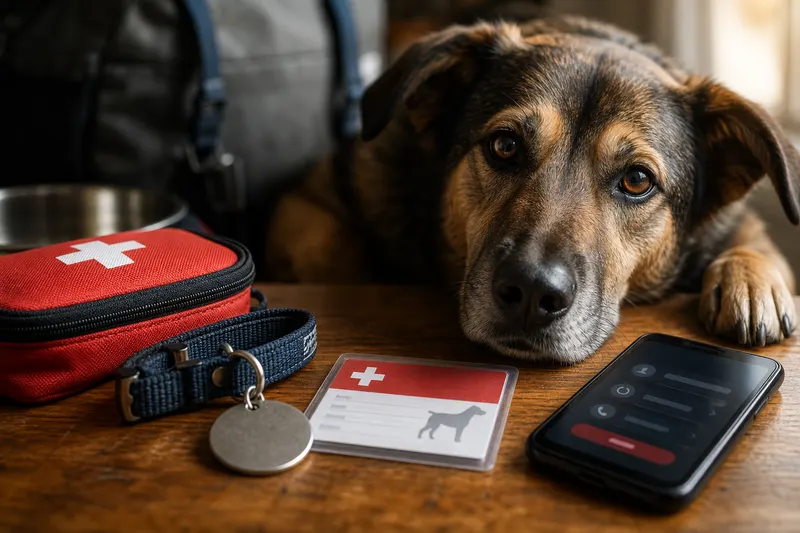
End-of-life care for a Beagle is still medicine: pain scores, hydration, hygiene, and honest function. Typical lifespan is 12-15 years, but weight management and ear care may shorten the good years if it was never tracked. Hospice is not "no vet." It is a plan for comfort with exit criteria written down before a crisis at 11 p.m. Keep a daily log the family can agree on - eating, walking, breathing, joy - so the last week is not argued from memory. For a medium Beagle, keep portions honest and write down what the clinic actually did, not what you meant to ask. Because this breed watches weight management and ear care, put that line on the same page as this end-of-life comfort care plan so a new veterinarian is not guessing.
Interactive watch list
Comfort and crisis checklist
Dated protocol
Hospice planning timeline
Now
Quality-of-life scale
Pick a 0-10 the household understands. Score daily. Trends matter more than one bad afternoon.
This week
Comfort orders
Pain meds, anti-nausea, bedding, sling. Confirm which drugs are already in the house.
Before crisis
Logistics
After-hours clinic, home euthanasia contacts, burial/cremation wishes, and who can legally consent.
Hard day
Use the scale
If the Beagle scores below the family's written threshold, call - do not renegotiate the criteria at midnight.
After
Records
Keep the medical timeline. It helps surviving pets' veterinarians and helps the family see that care was complete.
Breed-specific briefing
Why this Beagle page is not a copied template
This is not a generic dog article with the word Beagle pasted in the headline. It is a end-of-life comfort care plan for a medium hound dog whose adult weight is 20-30 lb and whose typical lifespan is 12-15 years.
The medical watch list that should sit next to this palliative timeline work is weight management and ear care. If a paragraph on this site could apply equally to a Chihuahua and a Mastiff, it does not belong on this URL.
Medium seniors show arthritis as "slowing down." Video the gait every 90 days. Pain is not a personality change.
Hounds follow their nose into ticks, garbage, and ear infections. Prevention calendars and ear logs are part of the medical record, not grooming trivia.
Joint and weight load (weight management and ear care) is the quiet multiplier. Keep a weekly weight beside this end-of-life comfort care checklist.
Obesity and joint load decide whether this End-of-Life Comfort Care plan protects hips and elbows. Keep a waist, skip they look like the breed, and film stairs once a quarter. Extra pounds here are orthopedic interest, not a winter coat.
Treat this End-of-Life Comfort Care calorie target as joint insurance. Recheck BCS every 30 days and cut hidden training treats. If NSAIDs start, pair them with kidney values and a written stop date for the trial.
Practical standard for this page: photograph every certificate the day it is issued, put the next due date in a shared reminder, and store the PDF beside weight and stool notes so a boarding desk, neurologist, or ER in a strange zip code can read the same Beagle file.
If weight management and ear care is already active, do not start a new diet, supplement, or over-the-counter pain drug without putting the change on the timeline. Stacking treatments is how "we tried everything" becomes an unreadable chart.
Digital vault
Documents to have in one place
- Current medication list with last doses.
- Latest labs and diagnosis list, including weight management and ear care.
- Quality-of-life scores with dates.
- Emergency clinic and home-euthanasia phone numbers.
- Household decision-makers and the pet's microchip/clinic IDs.
- Written "good day / bad day" rules the whole family agreed on for this Beagle.
- Photograph labels and certificates the same day they are issued for this Beagle.
- Note the clinic name and city every time. Beagle families move; portals do not travel with them.
- If weight management and ear care changes handling (heat, stairs, sedation), write that in the visit note before you forget.
- Export a PDF before boarding, relocation, or a specialist referral.
Bowl notes
Comfort feeding
Appetite stimulants and anti-nausea meds often matter more than the "perfect" senior diet.
Offer what the dog will eat unless a veterinarian has forbidden it for a specific reason (e.g. toxins).
Do not force syringe feeding without a plan - aspiration is a miserable way to steal remaining time.
Keep a short list of foods this Beagle still accepts so night shifts are not inventing meals from scratch.
Keep the current bag photo and first ingredient list next to this Beagle plan.
For a medium Beagle, keep portions honest and write down what the clinic actually did, not what you meant to ask.
Do not start a new protein, supplement, or "joint chew" the same week you change this end-of-life comfort care plan. You will not know what caused a flare.
Because this breed watches weight management and ear care, put that line on the same page as this end-of-life comfort care plan so a new veterinarian is not guessing.
SERP-ready clinical FAQ
End-of-Life Comfort Care for Beagles - common questions
When bad days outnumber good ones on a written scale, or when breathing, pain, or panic cannot be controlled. Your veterinarian can help interpret the log. You do not have to wait for a catastrophic night.
Hospice is structured comfort with a humane endpoint. It still uses veterinarians, pain control, and records. What it refuses is unhelpful heroics that only prolong distress.
Appetite, water, pain, breathing ease, ability to rise and eliminate, and whether any joy moments still happen. Trends beat one hard afternoon.
Yes. Write the clinic or home-euthanasia contact, who can consent, and where meds live before you need them at 11 p.m. Crisis improvisation is how families get stuck.
The last certificates, the current food bag photo, a weight, and a short list of meds. If you use PetClues, open the timeline on your phone. Clinics work faster when they are not reconstructing history from memory.
It is built around a medium hound dog at 20-30 lb, lifespan 12-15 years, with weight management and ear care on the watch list. If a tip would fit a Chihuahua and a Mastiff the same way, it does not belong here.
From the PetClues library
Editorial guides this Beagle page is built on
These are the existing long-form blogs, not cloned matrix text. Read them, then come back to this end-of-life comfort care checklist.
Internal PageRank loop
More Beagle Health Guides
Cross-link into the clinical breed-condition library so this lifecycle URL passes equity to the medical matrix - and so owners can move from diet timing to disease surveillance without a dead end.
Related Lifecycle Stages
The other 14 lifecycle and diet briefs for Beagles - stay inside this breed cluster instead of bouncing to a generic feeding article.
PetClues is not veterinary advice. Always consult a licensed veterinarian for diagnosis, treatment, and urgent medical decisions.