
Cardiac surveillancelarge breed
Adult Heart Health Screening for Boxers
A murmur-to-echo screening calendar for adult Boxers - because cardiac screening and cancer awareness and cardiac disease share the same appointment slot more often than owners think.
Clinical context
Why this stage is different for Boxers
Adult Boxers should have heart auscultation at every physical. Some lines in this breed need earlier echocardiography, Holter monitoring, or blood pressure checks. Do not wait for collapse. Store every murmur grade, echo PDF, and medication start date in chronological order - that is the difference between a useful cardiology referral and a shoebox of paper. Pair cardiac notes with weight: extra pounds are afterload the heart did not ask for. For a large Boxer, keep portions honest and write down what the clinic actually did, not what you meant to ask. Because this breed watches cardiac screening and cancer awareness, put that line on the same page as this adult heart health screening plan so a new veterinarian is not guessing.
Interactive watch list
Cardiac symptom checklist
Dated protocol
Adult Boxer screening timeline
Annual
Auscultation + history
Resting respiratory rate at home (count while asleep) is free surveillance.
If murmur
Echo decision
Grade, timing, and breed risk decide urgency - not "we'll watch it."
Diagnosed
Staging
Archive ACVIM stage, radiographs, blood pressure, and kidney values before meds start.
q 3-12 mo
Recheck
Cardiology cadence depends on disease. Put the next echo in the same reminder system as vaccines.
Before dental
Clearance packet
Send the latest Boxer echo date and med list with every anesthesia request.
Breed-specific briefing
Why this Boxer page is not a copied template
This is not a generic dog article with the word Boxer pasted in the headline. It is a adult heart health screening plan for a large working dog whose adult weight is 50-80 lb and whose typical lifespan is 10-12 years.
The medical watch list that should sit next to this cardiac surveillance work is cardiac screening and cancer awareness. If a paragraph on this site could apply equally to a Chihuahua and a Mastiff, it does not belong on this URL.
Large adults tear cruciates when they are chubby and bored. Keep the waist. Keep the nail length. Keep the weight in the same app as the heartworm chew.
Working and guardian breeds carry bloat, orthopedic, and sometimes cardiac risk. Conditioning is not optional, and neither is a 2-hour empty-stomach rule after a big meal if your veterinarian has flagged GDV risk.
Cardiac watch (cardiac screening and cancer awareness) means anesthesia, fluids, and intense exercise around this adult heart health screening window need a veterinarian, not a forum. Keep murmur grade and echo dates in the vault.
Cardiac and heart screening belong inside this Adult Heart Health Screening window, not after a faint. A new murmur, night cough, or exercise drop goes in the same folder as vaccine dates. Ask for the echo PDF, not a verbal we will watch it.
Pair this Adult Heart Health Screening activity plan with resting respiratory rates counted at home. A night cough or collapse is a same-day call. Store echo intervals and cardiac drug sheets where a weekend ER can open them.
Practical standard for this page: photograph every certificate the day it is issued, put the next due date in a shared reminder, and store the PDF beside weight and stool notes so a boarding desk, neurologist, or ER in a strange zip code can read the same Boxer file.
If cardiac screening and cancer awareness is already active, do not start a new diet, supplement, or over-the-counter pain drug without putting the change on the timeline. Stacking treatments is how "we tried everything" becomes an unreadable chart.
Digital vault
Cardiac vault protocol
- Resting respiratory rate log (goal typically <30/min asleep unless your cardiologist sets another number).
- Every ECG, Holter, and echo as PDF - not a portal screenshot that expires.
- Medication list with mg and time, including missed doses.
- Cross-link cardiac screening and cancer awareness so orthopedic limping is not misread as "just getting old."
- Anesthesia history - last echo date must travel with the dog to dental procedures.
- Weight trend beside cardiac notes - a heavier Boxer is harder on a stressed heart.
- Photograph labels and certificates the same day they are issued for this Boxer.
- Note the clinic name and city every time. Boxer families move; portals do not travel with them.
- If cardiac screening and cancer awareness changes handling (heat, stairs, sedation), write that in the visit note before you forget.
- Export a PDF before boarding, relocation, or a specialist referral.
Bowl notes
Heart-aware feeding
Ask before using boutique grain-free or exotic-legume formulas if dilated cardiomyopathy is on the differential.
Moderate sodium if congestive failure is diagnosed - home-cooked "treats" are a hidden salt source.
Keep the dog lean. Cardiac diets still require a gram scale.
Do not add fish-oil or "heart chews" the same week you change a Boxer cardiac med - change one variable at a time.
Keep the current bag photo and first ingredient list next to this Boxer plan.
For a large Boxer, keep portions honest and write down what the clinic actually did, not what you meant to ask.
Do not start a new protein, supplement, or "joint chew" the same week you change this adult heart health screening plan. You will not know what caused a flare.
Because this breed watches cardiac screening and cancer awareness, put that line on the same page as this adult heart health screening plan so a new veterinarian is not guessing.
SERP-ready clinical FAQ
Adult Heart Health Screening for Boxers - common questions
Any new murmur, arrhythmia, collapse, or unexplained cough deserves a conversation now. Some breeds screen before breeding even if they sound normal. Bring the full history; a single auscultation is not a lifetime clearance.
Many cardiologists want asleep rates consistently under about 30 breaths per minute. A rising trend is more useful than a single number. Log it in the vault.
Diet supports care; it does not replace screening. Ask before boutique grain-free or exotic-legume formulas if DCM is a concern, and keep the dog lean either way.
Prior echo PDFs, murmur grades, med times, resting respiratory rates, and a current weight. Clinics move faster when they are not rebuilding the timeline from memory.
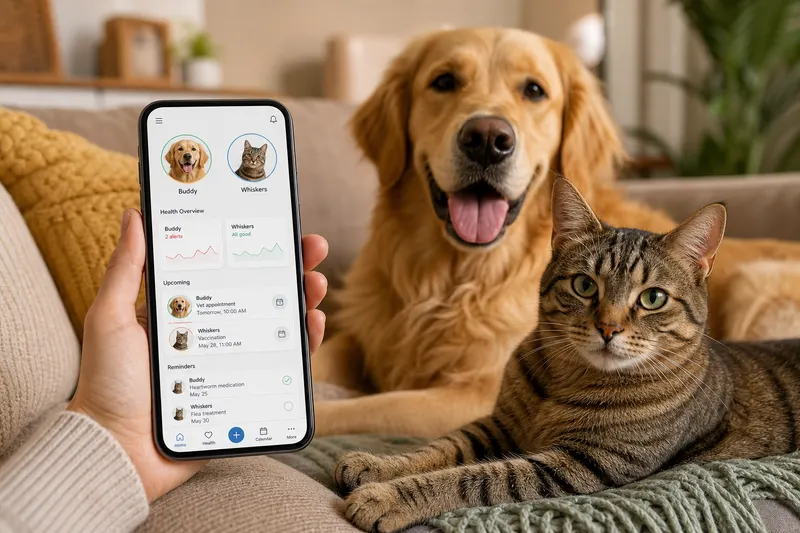
The last certificates, the current food bag photo, a weight, and a short list of meds. If you use PetClues, open the timeline on your phone. Clinics work faster when they are not reconstructing history from memory.
It is built around a large working dog at 50-80 lb, lifespan 10-12 years, with cardiac screening and cancer awareness on the watch list. If a tip would fit a Chihuahua and a Mastiff the same way, it does not belong here.
From the PetClues library
Editorial guides this Boxer page is built on
These are the existing long-form blogs, not cloned matrix text. Read them, then come back to this adult heart health screening checklist.
Internal PageRank loop
More Boxer Health Guides
Cross-link into the clinical breed-condition library so this lifecycle URL passes equity to the medical matrix - and so owners can move from diet timing to disease surveillance without a dead end.
Related Lifecycle Stages
The other 14 lifecycle and diet briefs for Boxers - stay inside this breed cluster instead of bouncing to a generic feeding article.
PetClues is not veterinary advice. Always consult a licensed veterinarian for diagnosis, treatment, and urgent medical decisions.