
Growth-to-adult transitionmedium breed
Adolescent Growth Diet for Australian Shepherds
The awkward middle: calories, calcium, and training fuel for a Australian Shepherd between puppyhood and adult weight (40-65 lb).
Clinical context
Why this stage is different for Australian Shepherds
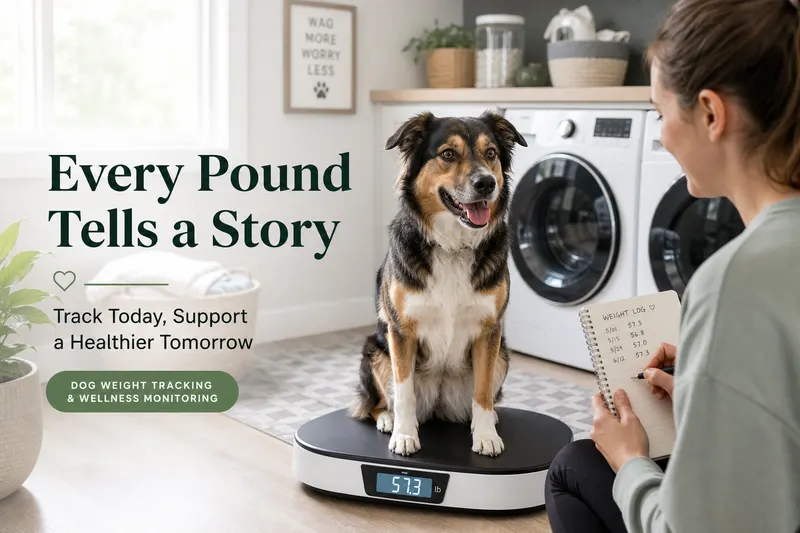
Adolescence is when Australian Shepherd owners either lock in a lean athlete or a lifelong weight problem. Growth plates close near 12-14 months. Medium breeds tolerate twice-daily meals once teething settles; weigh every two weeks. Keep protein high enough for muscle, calories low enough that the waist stays. This is also when MDR1 drug sensitivity and eye disorders first becomes visible on exam - diet notes belong next to orthopedic and cardiac screening. For a medium Australian Shepherd, keep portions honest and write down what the clinic actually did, not what you meant to ask. Because this breed watches MDR1 drug sensitivity and eye disorders, put that line on the same page as this adolescent growth diet plan so a new veterinarian is not guessing.
Interactive watch list
Adolescent feeding checklist
Dated protocol
Growth-to-adult feeding timeline
5-7 mo
Recalculate portions
Adolescent hunger is not a portion size. Weigh every 2 weeks.
8-10 mo
Activity vs calories
A bored Australian Shepherd looks "starving." Increase scent work, not kibble.
12-14 months
Adult maintenance
Transition food over 7-10 days. Log any itch or stool change.
Adult
Lock the recipe
Photograph the successful adult formula. Future allergy trials need a known baseline.
Post-switch
30-day audit
Confirm the Australian Shepherd waist held after the calorie density drop. Adjust grams before adding oils.
Breed-specific briefing
Why this Australian Shepherd page is not a copied template
This is not a generic dog article with the word Australian Shepherd pasted in the headline. It is a adolescent growth diet plan for a medium herding dog whose adult weight is 40-65 lb and whose typical lifespan is 12-15 years.
The medical watch list that should sit next to this growth-to-adult transition work is MDR1 drug sensitivity and eye disorders. If a paragraph on this site could apply equally to a Chihuahua and a Mastiff, it does not belong on this URL.
Medium adults tolerate twice-daily meals. Weekend hunting or agility still needs a weekday calorie plan so Monday is not a crash.
Herding breeds need a job. MDR1 testing matters before you volunteer ivermectin folklore. Eye screens belong on the same calendar as vaccines for many of these dogs.
MDR1 sensitivity means some stock dewormers and sedatives are not casual. Put the genetic result next to this adolescent growth diet file before a new clinic "just gives a little extra ivermectin."
MDR1 status belongs on the same card as this Adolescent Growth Diet checklist. Do not let a new clinic guess from coat color, and do not volunteer extra ivermectin folklore. Keep the DNA PDF in the vault and read every ear med and dewormer label before the first dose.
During Adolescent Growth Diet, print the MDR1 genotype on the travel packet and the sitter sheet. A boarding desk that always uses the same dewormer is how sensitive dogs reach the ER. If the test is pending, treat the dog as positive until the lab PDF lands.
Practical standard for this page: photograph every certificate the day it is issued, put the next due date in a shared reminder, and store the PDF beside weight and stool notes so a boarding desk, neurologist, or ER in a strange zip code can read the same Australian Shepherd file.
If MDR1 drug sensitivity and eye disorders is already active, do not start a new diet, supplement, or over-the-counter pain drug without putting the change on the timeline. Stacking treatments is how "we tried everything" becomes an unreadable chart.
Digital vault
Records for the growth window
- Weight + BCS chart (not weight alone).
- Orthopedic notes if limp appears after play.
- Food bag lots during the transition.
- Reminders for MDR1 drug sensitivity and eye disorders screening.
- Training-treat calorie budget written for sitters.
- Jump and fetch limits stated in writing while the Australian Shepherd is still growing.
- Photograph labels and certificates the same day they are issued for this Australian Shepherd.
- Note the clinic name and city every time. Australian Shepherd families move; portals do not travel with them.
- If MDR1 drug sensitivity and eye disorders changes handling (heat, stairs, sedation), write that in the visit note before you forget.
- Export a PDF before boarding, relocation, or a specialist referral.
Bowl notes
Adolescent diet rules
Do not add calcium, extra puppy milk, or "performance" fat without a veterinarian.
Small breeds can move to adult calories earlier if BCS is creeping up.
Free-feeding hides intake. Use a gram scale.
If the Australian Shepherd is in classes, pull training calories from the daily ration instead of adding a second pantry.
Keep the current bag photo and first ingredient list next to this Australian Shepherd plan.
For a medium Australian Shepherd, keep portions honest and write down what the clinic actually did, not what you meant to ask.
Do not start a new protein, supplement, or "joint chew" the same week you change this adolescent growth diet plan. You will not know what caused a flare.
Because this breed watches MDR1 drug sensitivity and eye disorders, put that line on the same page as this adolescent growth diet plan so a new veterinarian is not guessing.
SERP-ready clinical FAQ
Adolescent Growth Diet for Australian Shepherds - common questions
Behaviorally yes. Skeletal growth for this size class continues until about 12-14 months. Diet and jump control should stay conservative until then.
Supplements are not a substitute for lean body condition and controlled exercise. Ask your veterinarian; extra calcium can harm large-breed growth.
Growth, boredom, and training culture all inflate appetite. Check the waist and the scale before you raise the bowl. Enrichment beats another cup of kibble.
After growth plates close for this size - around 12-14 months - and only if the dog is sound. Sport skills can wait; orthopedic debt cannot be refunded.
The last certificates, the current food bag photo, a weight, and a short list of meds. If you use PetClues, open the timeline on your phone. Clinics work faster when they are not reconstructing history from memory.
It is built around a medium herding dog at 40-65 lb, lifespan 12-15 years, with MDR1 drug sensitivity and eye disorders on the watch list. If a tip would fit a Chihuahua and a Mastiff the same way, it does not belong here.
From the PetClues library
Editorial guides this Australian Shepherd page is built on
These are the existing long-form blogs, not cloned matrix text. Read them, then come back to this adolescent growth diet checklist.
Internal PageRank loop
More Australian Shepherd Health Guides
Cross-link into the clinical breed-condition library so this lifecycle URL passes equity to the medical matrix - and so owners can move from diet timing to disease surveillance without a dead end.
Related Lifecycle Stages
The other 14 lifecycle and diet briefs for Australian Shepherds - stay inside this breed cluster instead of bouncing to a generic feeding article.
PetClues is not veterinary advice. Always consult a licensed veterinarian for diagnosis, treatment, and urgent medical decisions.