
Dog Panting Heavily at Night: Pain, Anxiety, or Heart Failure?
Nocturnal panting without heat or exercise warrants a same-week vet visit - distinguish anxiety pacing from cardiogenic cough, restlessness from abdominal pain, and senior cognitive changes. When a pet shows Heavy open-mouth breathing while resting in cool environment, the decision is not "Google vs. panic" - it is whether red-flag signs (collapse, repeated vomiting, non-weight-bearing lameness, labored breathing, or gums that look pale or gray) are present within your observation window. This page maps likely differentials, documents what you can safely try at home for less than 12 hours, and lists the triggers that should move you to same-day veterinary care. Record onset time, frequency, and photos/video for your clinic - patterns matter more than a single snapshot.
Quick-reference parameters
| Item | Typical cost / detail | Notes |
|---|---|---|
| Heavy open-mouth breathing while resting in cool environment | Monitor 24-48h | Escalate if worsening or paired with lethargy |
| Pacing, inability to settle, or waking from sleep to pant | Monitor 24-48h | Escalate if worsening or paired with lethargy |
| Cough especially at night or after lying down (heart disease clue) | Monitor 24-48h | Escalate if worsening or paired with lethargy |
| Vocalization, trembling, or clingy behavior suggesting anxiety or pain | Monitor 24-48h | Escalate if worsening or paired with lethargy |
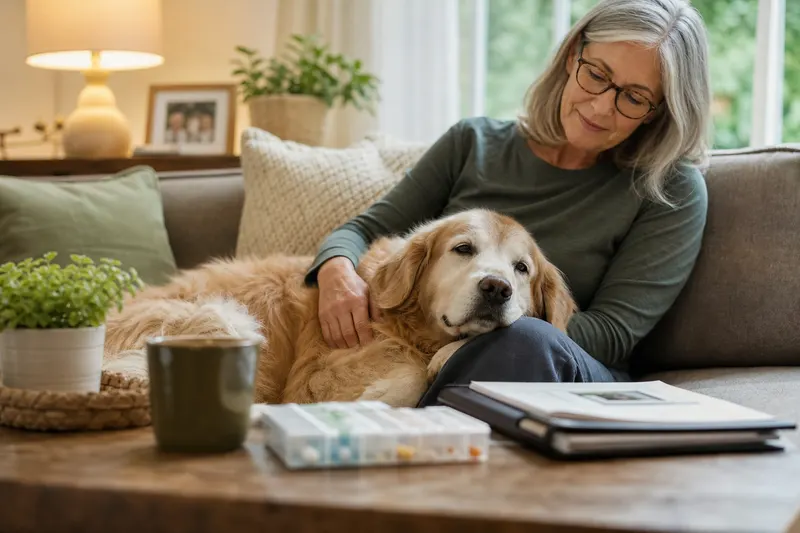
*Topic-specific reference for planning and vet conversations*
Likely differentials your vet will consider
Differentials include Generalized anxiety, noise phobia, or cognitive dysfunction syndrome, Orthopedic pain, abdominal discomfort, or fever, Congestive heart failure or laryngeal disease, Cushing's disease, anemia, or respiratory infection. Home observation cannot replace exam findings - temperature, hydration, and pain score still require hands-on assessment.
Safe home monitoring (short window)
If you are within a cautious window, Note time of night, room temperature, and recent diet or medication changes; Provide calm dark sleeping area; avoid late vigorous exercise. Write down times: onset, vomits per hour, urinations, willingness to walk. - Note time of night, room temperature, and recent diet or medication changes - Provide calm dark sleeping area; avoid late vigorous exercise - Do not give human sedatives or pain meds without veterinary approval - Film a 30-second video of breathing pattern for your veterinarian
Go to the vet today if you see
Escalate immediately when Gums blue or gray, collapse, or extreme respiratory effort, Distended abdomen with unproductive retching (GDV risk in deep-chested breeds), Known heart disease with sudden worsening cough or fainting, Panting with temperature above 104°F or suspected heatstroke.
What to bring to triage
Video beats adjectives. Bring diet history, toxin access, medication list, and prior lab work. If contagious disease is possible, call from the parking lot for isolation protocols.
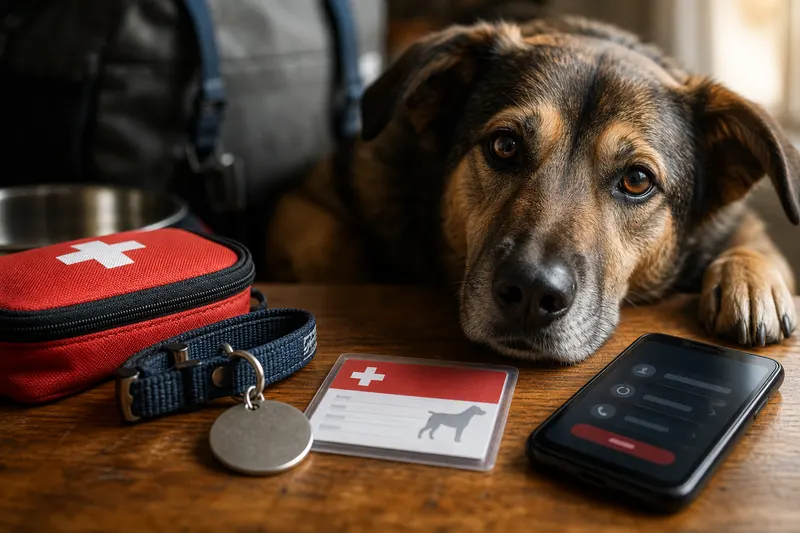
*Related care context from your PetClues health library*
Terms you will see on invoices and discharge papers
Key vocabulary for this topic: Heavy open-mouth breathing while resting in cool environment, Pacing, inability to settle, or waking from sleep to pant, Cough especially at night or after lying down (heart disease clue), Vocalization, trembling, or clingy behavior suggesting anxiety or pain. Knowing these labels helps you compare estimates apples-to-apples when calling other clinics. Request digital copies of imaging, lab reports, and anesthesia monitoring records - they belong in your permanent archive, not a folder you lose during a move. - Heavy open-mouth breathing while resting in cool environment: ask how results change today’s treatment plan - Pacing, inability to settle, or waking from sleep to pant: ask how results change today’s treatment plan - Cough especially at night or after lying down (heart disease clue): ask how results change today’s treatment plan - Vocalization, trembling, or clingy behavior suggesting anxiety or pain: ask how results change today’s treatment plan
How metro, suburban, and rural pricing diverges
Emergency hospitals in major metros often add facility fees of $80-80 before treatment. Suburban independents may bundle monitoring into surgery quotes. Rural clinics can be cheaper for exams yet refer complex imaging to specialty centers that bill separately. Always confirm whether quoted ranges include tax, post-op medications, and recheck exams - those three lines can add 15-25% to the sticker price.
- Collect two estimates for any procedure over ,000
- Ask what happens if complications extend hospitalization
- Confirm who reads after-hours pages if your pet boards overnight
- Save pre-authorization numbers from insurers before surgery
Observation log template (24-48 hours)
For Heavy open-mouth breathing while resting in cool environment, clinicians triage faster when you bring times, not adjectives. Use your phone notes app with five fields: time, event, severity (1-5), food/water intake, and bathroom output. Your vet will rule out Generalized anxiety, noise phobia, or cognitive dysfunction syndrome, Orthopedic pain, abdominal discomfort, or fever, Congestive heart failure or laryngeal disease, Cushing's disease, anemia, or respiratory infection in that order based on exam findings - not internet prevalence. - ER now if: Gums blue or gray, collapse, or extreme respiratory effort - ER now if: Distended abdomen with unproductive retching (GDV risk in deep-chested breeds) - ER now if: Known heart disease with sudden worsening cough or fainting - ER now if: Panting with temperature above 104°F or suspected heatstroke - Home window: Note time of night, room temperature, and recent diet or medication changes - Home window: Provide calm dark sleeping area; avoid late vigorous exercise - Home window: Do not give human sedatives or pain meds without veterinary approval - Home window: Film a 30-second video of breathing pattern for your veterinarian
Documentation that protects you later
Save estimates, paid invoices, discharge instructions, and lab PDFs the same day you deal with "Dog Panting Heavily at Night: Pain, Anxiety, or Heart Failure?". Future specialists should not repeat tests because records were lost. If you dispute a charge or file insurance, chronological documentation matters more than emotional recall. PetClues timestamps uploads automatically when you photograph paperwork at the clinic. When a family member or sitter transports your pet, they should have the same PDFs you would bring - Nocturnal panting without heat or exercise warrants a same-week vet visit - distinguish anxiety pacing from cardiogenic cough, restlessness from abdominal pain, and senior cognitive changes. - Photograph prescription labels before leaving the parking lot - Note who you spoke with for phone triage - Track weight, appetite, and thirst during recovery - Store imaging CDs or portal download links in your vault
Related guides - dog drinking too much water cushings diabetes kidney - dog shaking trembling toxic shock - pain management log for recovering pets - chronic condition pet record system
Keep exploring
Related articles - Why is My Dog Drinking So Much Water? (Cushing's, Diabetes, Kidney) - Dog Shaking and Trembling: Cold, Scared, or Toxic Shock? - Why Does My Cat's Breath Smell So Bad? (Stages of Dental Disease)
Knowledge base - After-Hours Vet Visit Information Checklist
FAQ - How do I evacuate with pets during a disaster?
Guides & tools - Emergency checklists
Product - Digital pet passport - PetClues pricing - Get started with PetClues
Practical next steps for this week
- Photograph or PDF your most recent invoice related to Dog Panting Heavily at Night: Pain, Anxiety, or Heart Failure?
- Highlight line items you do not understand and ask the clinic billing desk for codes
- Compare against the table above; note variances over 30%
- Upload records to PetClues with today’s date
- Set a reminder for follow-up labs, rechecks, or refill dates
- Share read-only access with anyone who may transport your pet to care
Key takeaways
This guide on Dog Panting Heavily at Night: Pain, Anxiety, or Heart Failure? boils down to three money-and-safety rules: - Heavy open-mouth breathing while resting in cool environment: budget Monitor 24-48h (Escalate if worsening or paired with lethargy) - Pacing, inability to settle, or waking from sleep to pant typically runs Monitor 24-48h - Upload every invoice and lab PDF the day you receive it so appeals, insurance, and second opinions do not stall If anything in this article conflicts with your veterinarian’s advice, follow your clinician’s instructions - this page is educational, not a substitute for hands-on care.
FAQ
How much should I budget for "Dog Panting Heavily at Night"?
Nocturnal panting without heat or exercise warrants a same-week vet visit - distinguish anxiety pacing from cardiogenic cough, restlessness from abdominal pain, and senior cognitive changes. Add 20-30% contingency for after-hours surcharges or unexpected diagnostics.
Does pet insurance cover this?
Coverage depends on policy tier and pre-existing condition clauses. Submit pre-authorization when available and keep SOAP notes for appeals.
When should I get a second opinion?
Seek a second opinion for elective surgery quotes over $2,000, unclear diagnoses, or when recovery stalls beyond the timeline your vet provided. Bring CDs/USB of imaging and lab PDFs to avoid repeat charges.
What should I upload to my pet health vault tonight?
At minimum: latest estimate, paid invoice, discharge summary, and medication labels related to "Dog Panting Heavily at Night: Pain, Anxiety, or Heart Failure?". Date-stamped photos are acceptable when portals fail.
How does PetClues help?
Log symptoms with timestamps and share triage summaries with your clinic.
Can I negotiate payment timing without compromising care?
Many hospitals offer zero-interest internal plans or third-party financing. Nonprofits may pay a portion of emergency bills if you apply before the procedure when possible. Ask the billing desk - silence is not policy.