


PetClues Guides
PetClues Guides: Choosing the Right Care Tools for Your Pet's Life Stage
A PetClues guide to choosing the right care tools for puppies, adults, and senior pets.
PetClues Blog
SEO-friendly guides on puppy vaccination schedules, cat health records, medication reminders, vet bills, and emergency pet information.
Browse
Practical advice for pet parents - from first vaccines to emergency preparedness.
A PetClues guide to choosing the right care tools for puppies, adults, and senior pets.

2026 dog cloning prices, what ViaGen-style packages usually include, extra fees people miss, and why a clone is not the same pet. Practical notes on tissue storage, ethics, and health records.
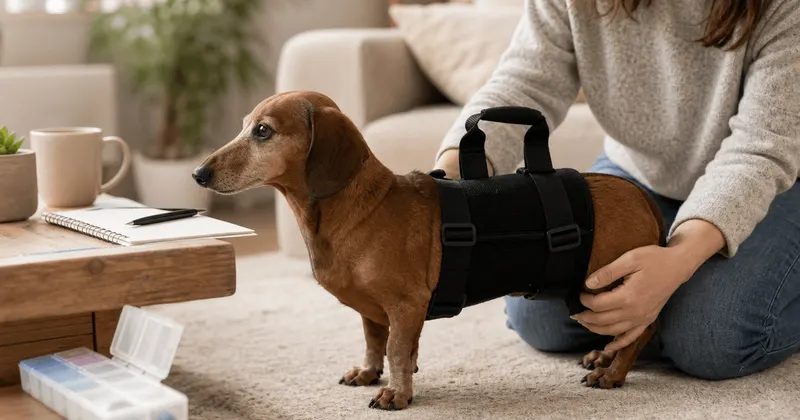
How common IVDD is in Pembroke and Cardigan Welsh Corgis, why short-legged chondrodystrophic dogs rupture discs, emergency grades, crate rest, surgery, and the records neurologists actually use.
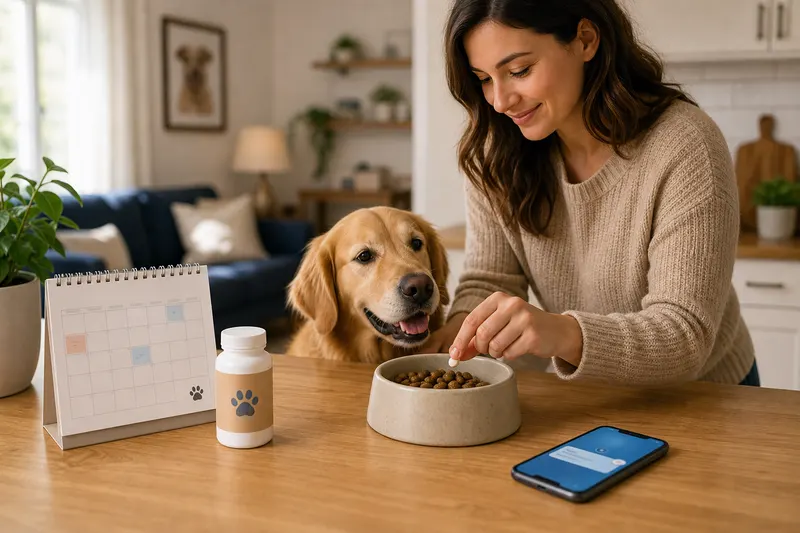
How veterinary authorization certificates work for Hill's, Royal Canin, and Purina therapeutic diets. What clinics sign, what online pharmacies need, and how to keep the form with the medical record.
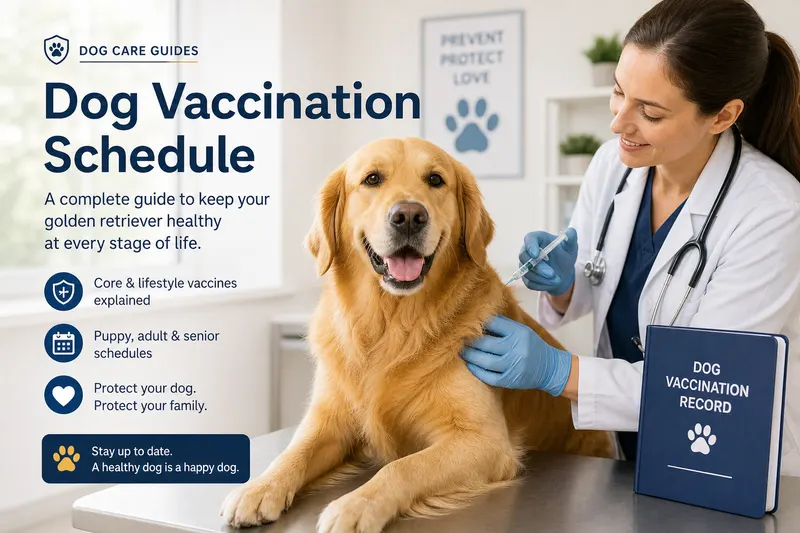
A digital pet passport is a shareable medical snapshot: vaccines, microchip, meds, allergies, and vet contacts. How it differs from the EU pet passport, what to put on it, and when sitters or ER desks actually open it.
How veterinary push notification reminders should work for vaccines, heartworm, and refills. Why clinic SMS gets ignored, what to notify on, and how to set alerts without spamming the household.
A practical heartworm pill tracker for monthly chewables: calendar tricks, missed-dose rules, antigen testing, and why "I gave it sometime in July" is how dogs end up on expensive treatment.
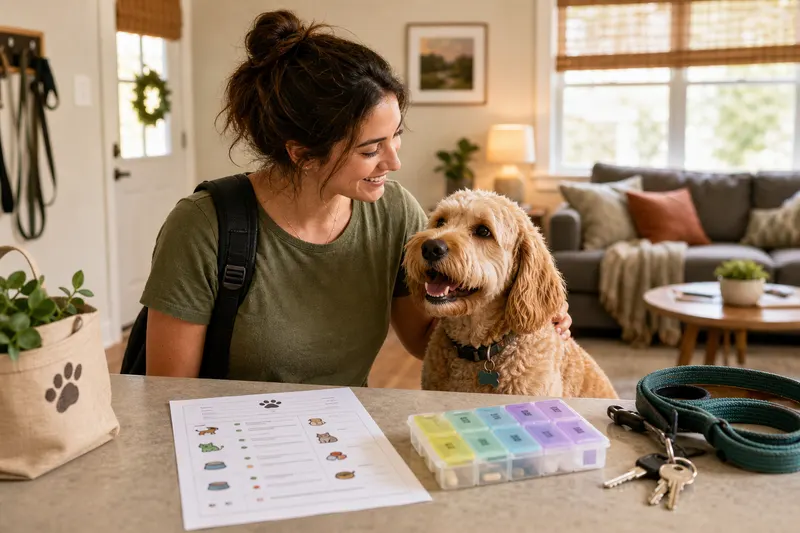
How to share pet folders with sitters, co-parents, and clinics. What belongs in a shared drive versus a medical vault, permission levels, and how to stop sending IMG_4421 as a vaccination record.
Learn how organized pet records become a calm timeline that improves everyday care decisions.
A 2026 wellness exam runs $55-$85 at independent clinics and $75-20 at corporate chains, while same-day emergency visits typically start at 50-$250 before any diagnostics.
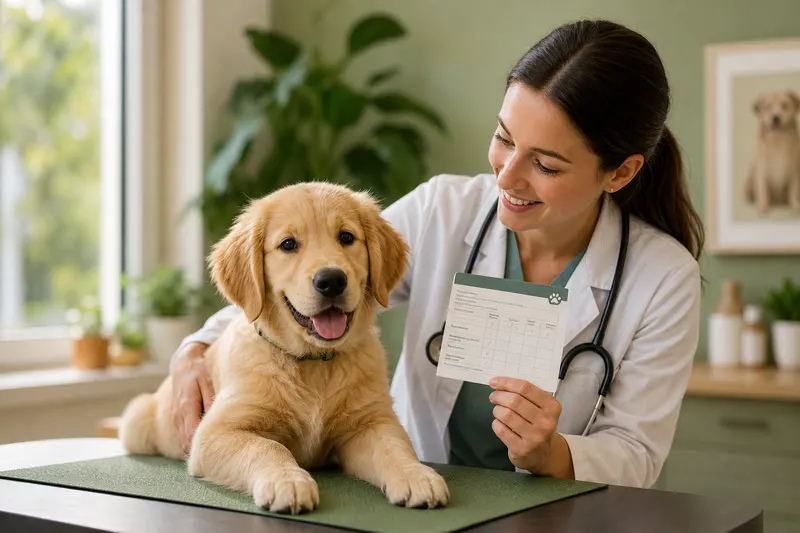
Complete puppy vaccination schedule for 2026 - core shots, booster timing, and how to set pet vaccination reminders so you never miss a vet visit.
A CBC ($45-$90) counts blood cells while a Chem 17 ($65-30) screens organ function - together they explain most of the "lab work" line on a typical invoice.
Learn how to organize pet medical records online - digitize vet bills, lab results, and vaccination history in one searchable pet health vault.
A practical guide to health records for reptiles and small mammals, built for precision and peace of mind.

Anesthesia dental cleanings for dogs cost $400-$900 at most clinics, but extractions, X-rays, and pre-anesthetic bloodwork can push the total past $2,000.
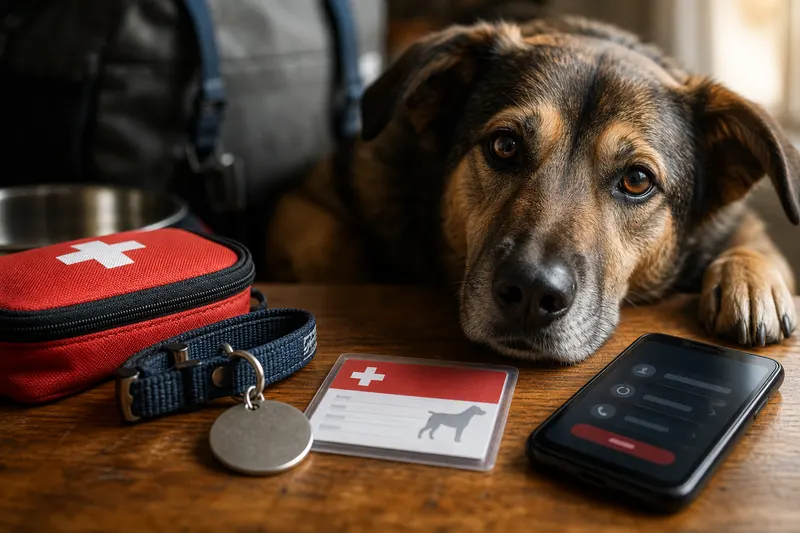
Build a pet emergency information card with allergies, medications, vet contacts, and microchip details - shareable in seconds when every moment counts.
Two-view X-rays run 50-$350 while veterinary MRI typically costs $2,000-$4,500 and often requires referral to a specialty or university hospital.
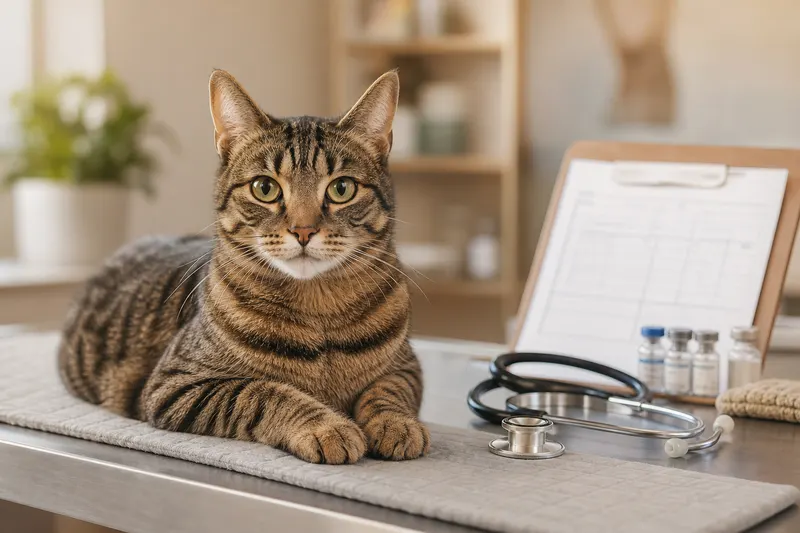
Cat vaccination schedule explained - core FVRCP and rabies shots, kitten booster timing, and how to set cat vaccination reminders that actually work.
How to build a low-stress health routine for companion birds with records that support better vet care.
Emergency clinics charge a 50-$250 exam fee plus diagnostics, and a single overnight hospitalization for vomiting or trauma commonly totals ,500-$4,000.
Set up a reliable pet medication reminder for pills, flea prevention, and heartworm meds - with vet-approved tips and app-based alerts.
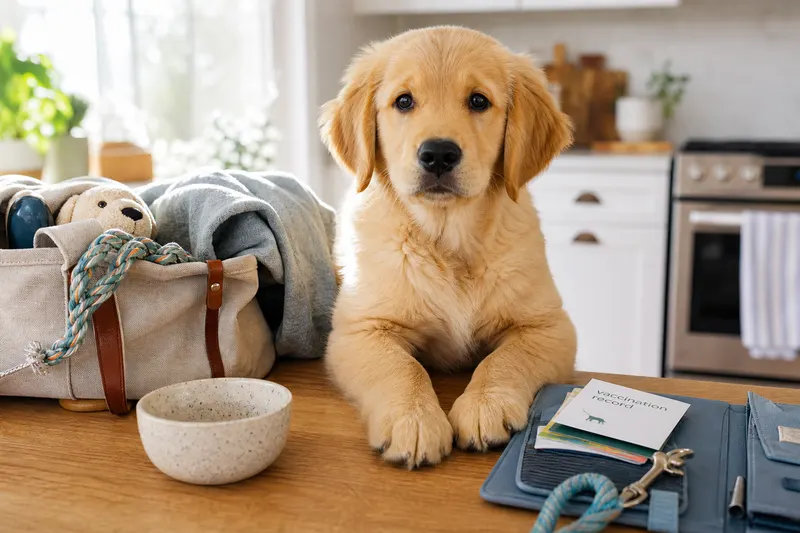
Neuter fees for small dogs start around $200-$400 while spays for large breeds run $400-$800, with low-cost clinics and shelters often charging $50-50.

Create a dog feeding schedule and walk tracker habit in under a minute a day - improve weight management, digestion, and monthly pet health reports.
TPLO surgery for a torn cranial cruciate ligament typically costs $3,500-$6,500 including pre-op imaging, with 8-12 weeks of restricted activity during recovery.
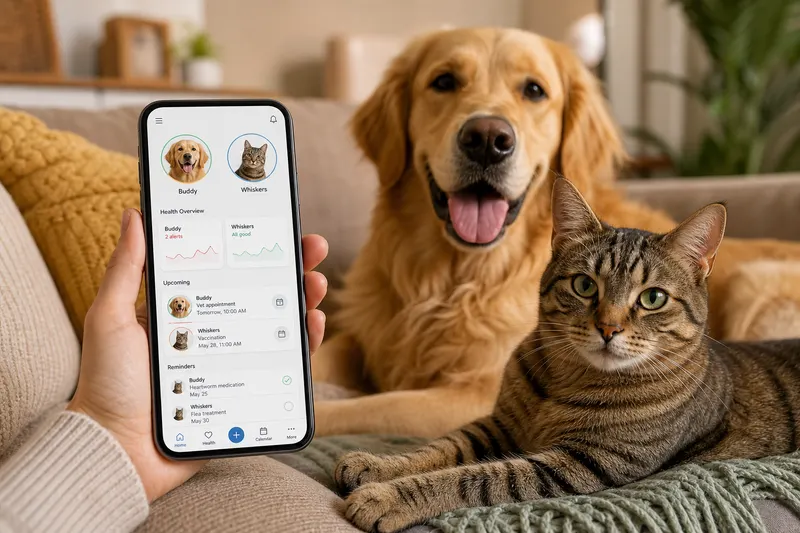
Compare the best pet health tracker app features in 2026 - records vault, vaccination reminders, emergency passport, daily check-ins, and vet bill storage.
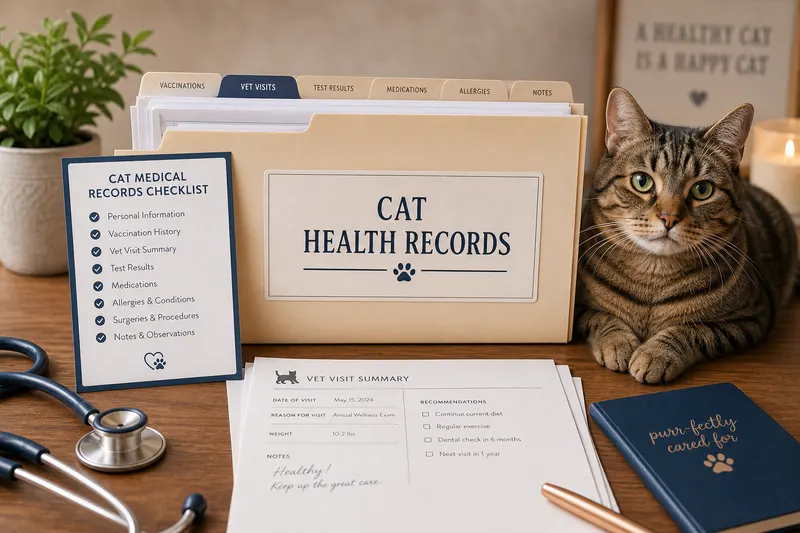
What to save after every vet visit so your cat's health story stays complete and easy to share.
A senior cat wellness panel (CBC + Chem 17 + T4 + urinalysis) averages $250-$450, but duplicate tests and reference-lab markups can inflate the bill by 30-50%.
Accident-and-illness policies in 2026 average $35-$70/month for dogs and $20-$45 for cats, but a single $5,000 emergency can still leave you paying ,000-$2,500 after deductible and co-pay.
Use a vet bill organizer to store pet medical bills, spot billing errors, and track care costs - with optional AI decoding on PetClues Premium.
Biohazard disposal ($5-5), medical waste fees, and prescription dispensing charges (0-$25 per medication) often appear as separate line items that add $30-$80 to routine visits.
Complete new puppy checklist - first vet visit prep, vaccination records, microchip setup, and pet health app onboarding in the first 30 days.
Many clinics offer 3-12 month in-house payment plans or accept third-party financing like CareCredit, while nonprofits such as The Pet Fund and RedRover can cover $200-$2,000 for qualifying emergencies.
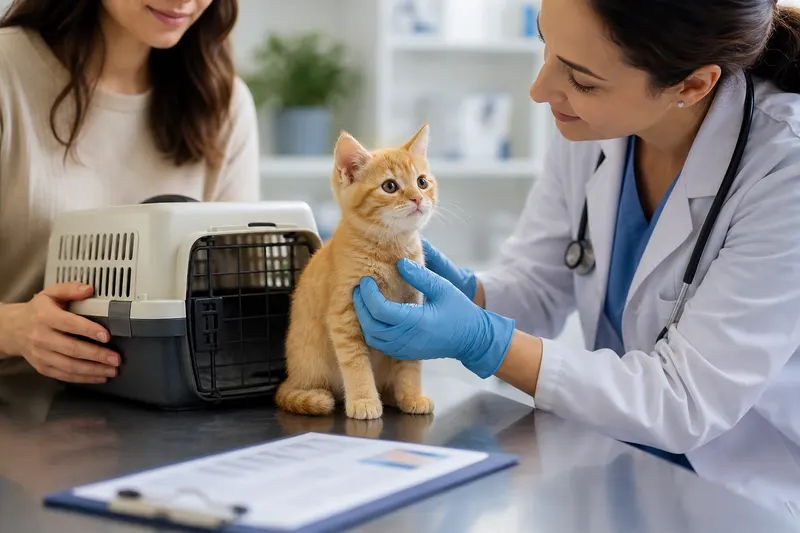
New kitten checklist for first vet visits, FVRCP vaccine scheduling, litter and diet logs, and organized cat health records from day one.
A practical guide to building a dog vaccination schedule with reminders, records, and vet receipts in one place.
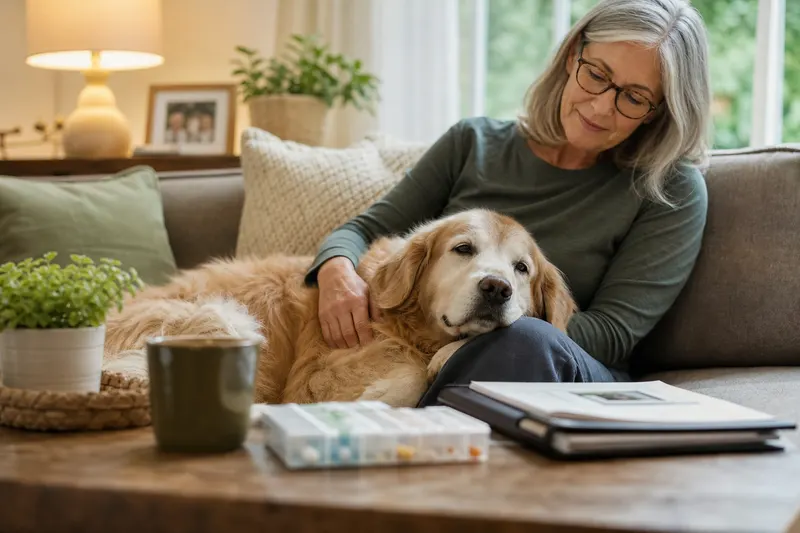
In-clinic euthanasia runs 50-$350 while at-home services cost $300-$600, and communal cremation ($50-50) is far less than private cremation with returned ashes (50-$400).
Senior dog care guide - track medications, lab trends, mobility notes, and vet visits with organized health records and gentle reminders.

Monthly heartworm prevention costs $8-8 while treating an active infection runs ,200-$2,500 for melarsomine injections, hospitalization, and strict exercise restriction.
Pet sitter instructions template - what medical info, feeding schedule, medications, and emergency contacts to share before you leave town.
Parvo hospitalization averages $2,000-$5,000 for 3-7 days of IV fluids and isolation, with survival rates above 90% when treated early but under 10% if left untreated.
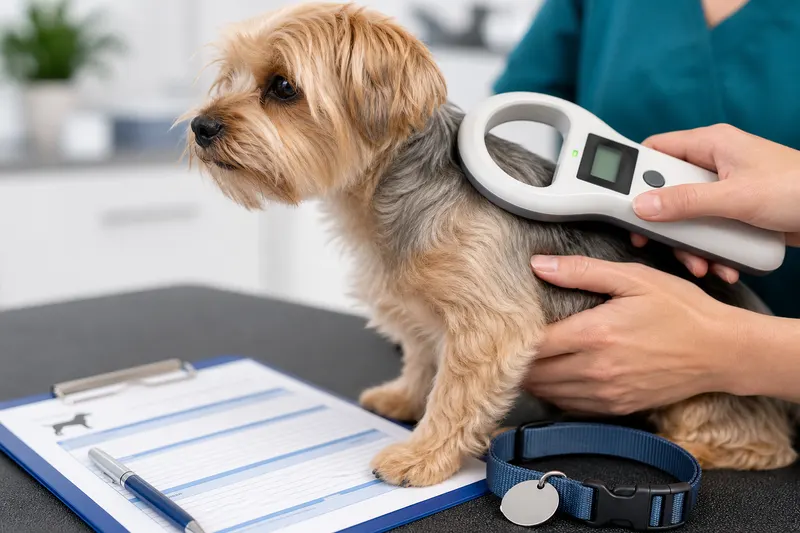
Microchip registration guide for dogs and cats - how to register, update contacts, and store chip numbers in your pet health records app.

Apoquel runs $2-$3/day ($60-$90/month) while Cytopoint injections cost $80-50 every 4-8 weeks, and allergen-specific immunotherapy totals ,000-$2,000 in year one.
Heartworm prevention schedule for dogs - monthly chewable reminders, annual test timing, and how to log prevention in pet health records.
An in-clinic FeLV/FIV combo SNAP test costs $35-$65, while the two-dose FeLV vaccine series runs $25-$45 per injection plus a $45-$75 exam fee.
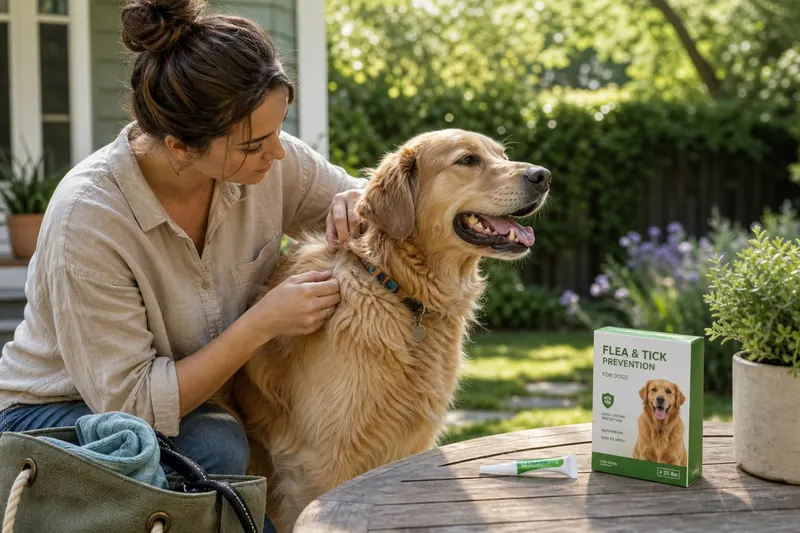
Flea and tick prevention calendar - monthly schedules, seasonal risks, and reminder tips for dogs and cats in one pet health app.
A fecal flotation test runs $35-$65 at most clinics and screens for roundworm, hookworm, whipworm, and Giardia eggs that routine dewormers may miss.
Dog dental care schedule - professional cleaning intervals, daily brushing habits, and vet reminder setup for long-term oral health.
Simple lipoma removal starts at $300-$800, but mast cell tumor surgery with staging and chemo can exceed $5,000-0,000 at specialty oncology centers.
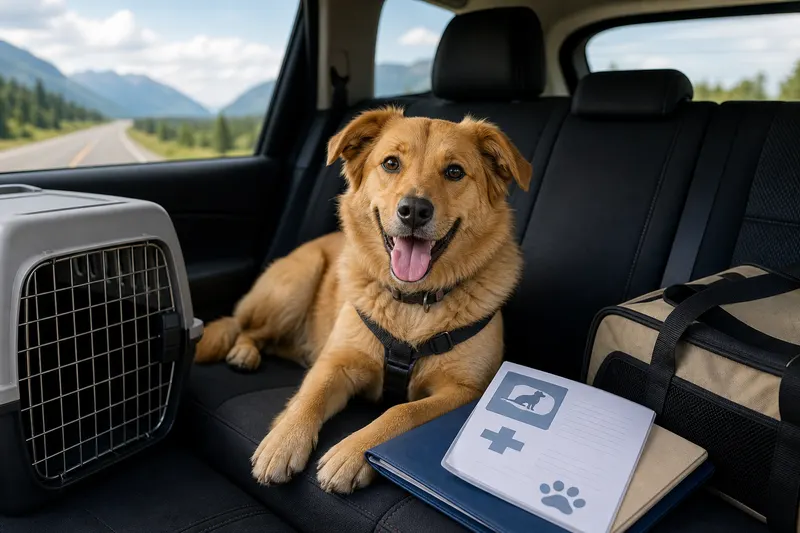
Traveling with pets checklist - vaccination certificates, health forms, medication supply, and emergency contacts for road trips and flights.
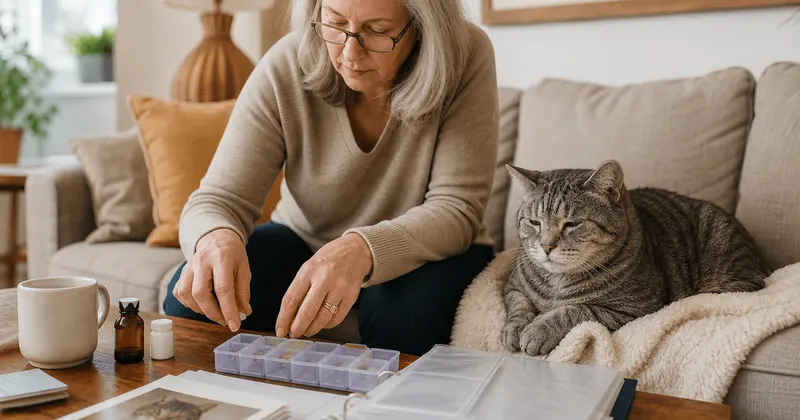
In-clinic subcutaneous fluid sessions cost $40-$80 each, while at-home fluid kits run $25-$45 per bag with needles and lines lasting 2-4 days for most cats.
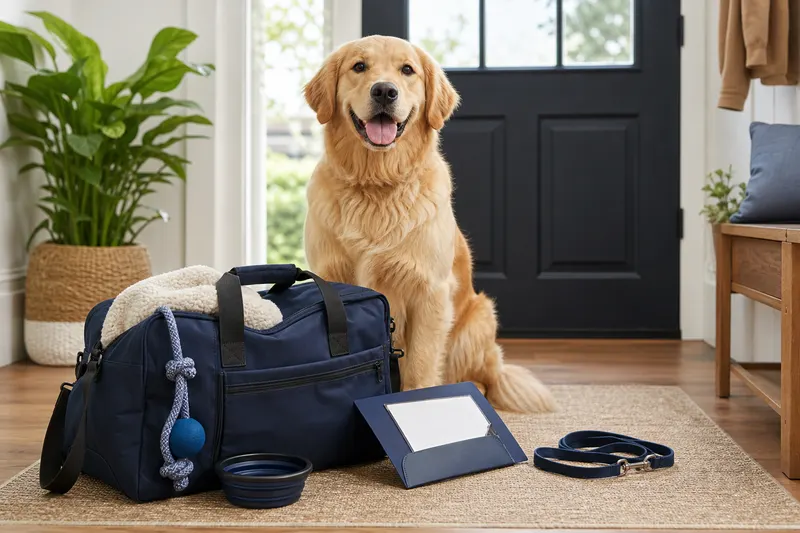
Pet boarding preparation guide - required vaccination records, Bordetella timing, medication instructions, and forms kennels ask for.
Emergency hospitals charge 2-3× daytime rates because they staff overnight critical-care teams, maintain surgical suites 24/7, and absorb unreimbursed stabilization costs.

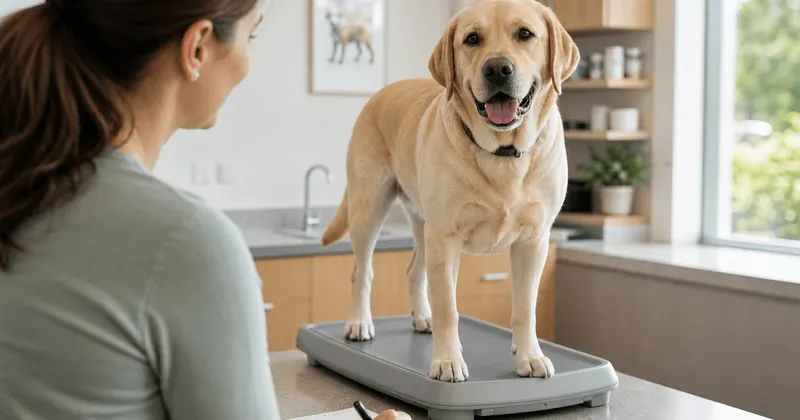
Dog weight tracker guide - why monthly weigh-ins matter, how to log trends in pet health apps, and when to call the vet about changes.
Filling pet prescriptions at human pharmacies (Costco, Walmart, GoodRx) can save 30-70% on generics like carprofen and gabapentin compared to in-clinic dispensing fees.
Pet allergy tracker for dogs and cats - log itching, food trials, seasonal flare-ups, and medications in organized health records for your vet.
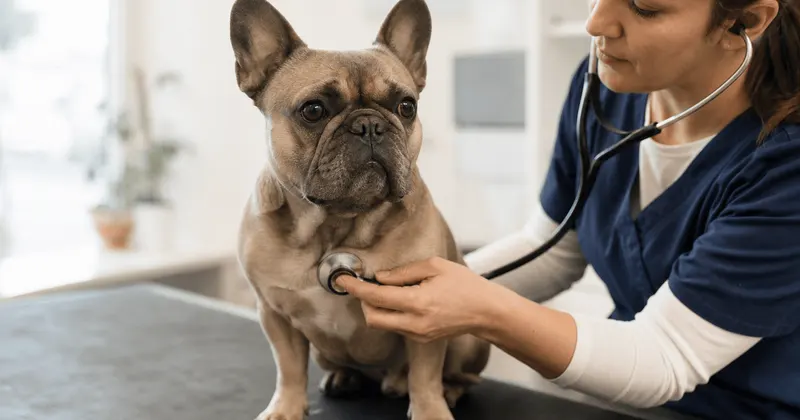
BOAS airway surgery runs $2,500-$6,000, hemilaminectomy for IVDD costs $4,000-$8,000, and planned C-sections average ,500-$3,500 for brachycephalic breeds.
Abdominal ultrasound costs $300-$600 at general practices and $400-$800 at specialty hospitals, often revealing bladder stones, masses, or organ changes that X-rays miss.
A simple UTI with antibiotics costs 50-$350, but a blocked male cat requiring catheterization and hospitalization typically runs ,500-$3,500.
A FAVN rabies titer test costs 20-$200 plus a $50-00 blood-draw fee, and you must wait 30 days after a valid rabies vaccine before drawing blood for EU and UK entry.
Managing pet diabetes costs 00-$250/month for insulin, syringes, and prescription diet, plus $200-$400 every 3-6 months for glucose curves and fructosamine tests.
Rattlesnake envenomation treatment runs $3,000-0,000, with antivenom alone costing $500-$800 per vial and most dogs requiring 2-4 vials plus 24-48 hours of ICU care.
Complete guide to adult dog vaccine boosters - DHPP, rabies, Bordetella, and lifestyle shots with reminder tips so boosters never lapse.
Inducing vomiting and monitoring for chocolate ingestion costs $200-$500, but xylitol poisoning with liver monitoring and IV fluids can exceed $2,000-$5,000.
Month-by-month kitten vaccine timeline for FVRCP, rabies, and optional FeLV with record-keeping tips for new cat parents.
Conservative management with rest, NSAIDs, and rehab runs 00-$300/month for 6+ months, while surgical repair (TPLO, TTA, or lateral suture) costs $2,500-$6,500 upfront.
How to store rabies certificates, tags, and renewal dates for travel, licensing, and boarding - plus reminder workflows.
Corporate wellness plans like Banfield Optimum ($40-$65/month) bundle exams and vaccines but often cost more than à la carte care at independents unless you use every included service.
Everything dog parents need for Bordetella requirements - how far in advance to vaccinate, what records to bring, and how to track boosters.
A Golden Retriever puppy costs $2,800-$6,500 in year one when you include purchase, vaccines, spay/neuter, food, grooming, and the breed's elevated cancer-screening baseline.
When leptospirosis vaccination makes sense for dogs, how to track the two-dose series, and what to save for your pet health records.
French Bulldogs, Cavalier King Charles Spaniels, and Greyhounds top apartment lists for moderate energy and solo tolerance - but budget $25-$45/day for doggy daycare if you skip a midday walker.
How to decide on canine flu vaccination, track boosters, and keep proof ready for daycare closures or travel changes.
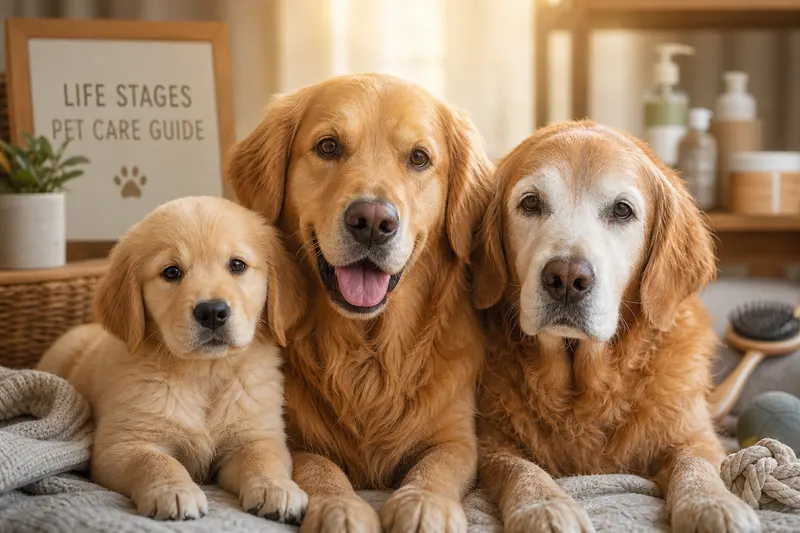
Adult cats, betta fish, and leopard geckos rank lowest on daily time commitment - expect 15-30 minutes/day for a cat versus 2+ hours for a young herding dog.
Template for logging vaccine reactions in your pet medical records - symptoms, timing, and what to share before the next booster.
No dog is truly hypoallergenic - allergenic proteins live in dander and saliva, not fur alone - but Poodles, Bichons, and Portuguese Water Dogs shed less and often trigger milder reactions.
A practical digital pet health record template - vaccines, labs, meds, and visit notes - plus how to keep it searchable year after year.
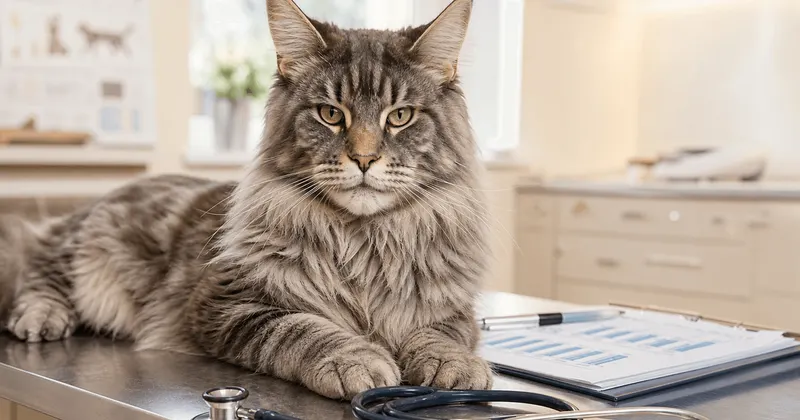
Maine Coon kittens from registered breeders run ,200-$2,500, with annual food bills of $900-,400 for a 15-20 lb adult and HCM screening starting around $300-$600.
Learn to log bloodwork, urinalysis, and thyroid panels with trend notes so you and your vet spot changes early.
French Bulldogs average ,500-$4,000/year in vet spend - BOAS airway surgery alone runs $2,500-$6,000, and many require C-sections (,500-$3,500) for breeding.
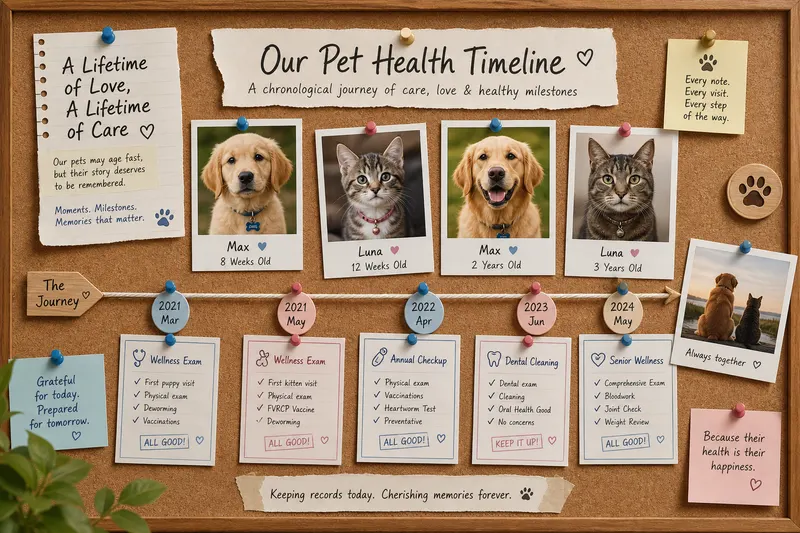
Organize chronic illness records - diabetes, allergies, epilepsy - with medication logs, flare notes, and specialist visit history.
Ragdolls, Maine Coons, and Abyssinians greet you at the door, play fetch, and tolerate leash walks - bridging the gap for owners who want canine loyalty with feline independence.
How to organize health records for two or more pets - separate profiles, color coding, and shared family access that prevents mistakes.
Shelter adoption fees ($50-$350) look cheap upfront, but unknown medical history can add $500-$2,000 in year-one diagnostics - while breeder puppies front-load purchase price but include health guarantees.
Guide to archiving imaging reports, CD/DICOM exports, and radiologist summaries for orthopedic and oncology follow-ups.
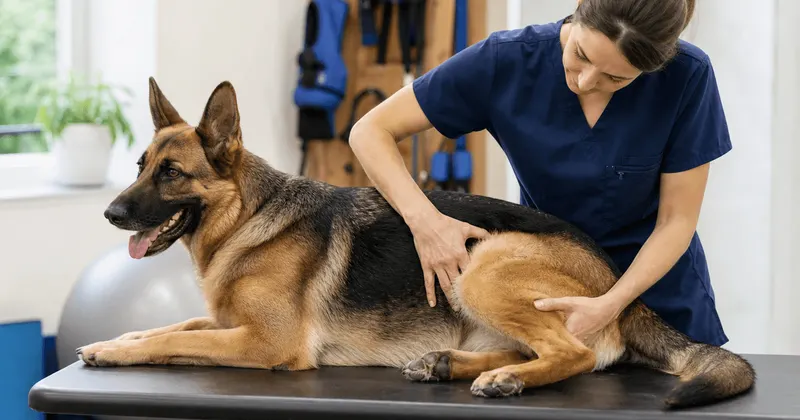
Vizslas, Weimaraners, and Border Collies can sustain 30+ mile weekly training loads - but wait until 18 months for full skeletal maturity before marathon-distance road work.
Build a dental history for dogs and cats - professional cleanings, extractions, home brushing, and when to schedule the next visit.
Golden Retrievers, Boxers, and Bernese Mountain Dogs combine protective instincts with stable temperaments - but any guard breed needs structured socialization before the baby arrives.
Step-by-step checklist to transfer pet medical records when you move, switch clinics, or see a specialist.
English Bulldogs, Rottweilers, and Dobermans top insurance premium charts at $90-80/month because carriers price in orthopedic surgery, cancer treatment, and breed-specific liability.
Turn scattered vet visits into a chronological medical history timeline that supports better diagnoses and fewer repeated tests.

Leopard geckos and corn snakes need $250-$500 in startup gear and see an exotics vet once yearly ($80-50) - far simpler than iguanas or chameleons that demand daily misting and live feeders.
Post-surgery documentation guide - discharge instructions, implant cards, suture care, and follow-up imaging in one place.
Hairless Sphynx cats cost ,800-$3,500 to purchase and $200-$400/month in skincare, heating, and high-calorie food - plus annual HCM echocardiograms at $300-$600.
Document food, environmental, and drug reactions with dates and severity so future prescriptions and diets stay safe.
Golden Retrievers, Boxers, and Bernese Mountain Dogs carry 2-4x the population cancer rate - oncology workups start at ,500 and chemotherapy protocols run $3,000-0,000.
Capture breed predispositions, litter mate health, and parent history to inform screening schedules with your vet.
Labs, Cavalier King Charles Spaniels, and mixed-breed rescues excel as ESAs - but a licensed mental health provider letter (50-$250) is the only documentation airlines and landlords must honor, not online registry certificates.
Adopted with little history? Reconstruct vaccines, spay/neuter status, and baselines using shelter notes and new vet workups.
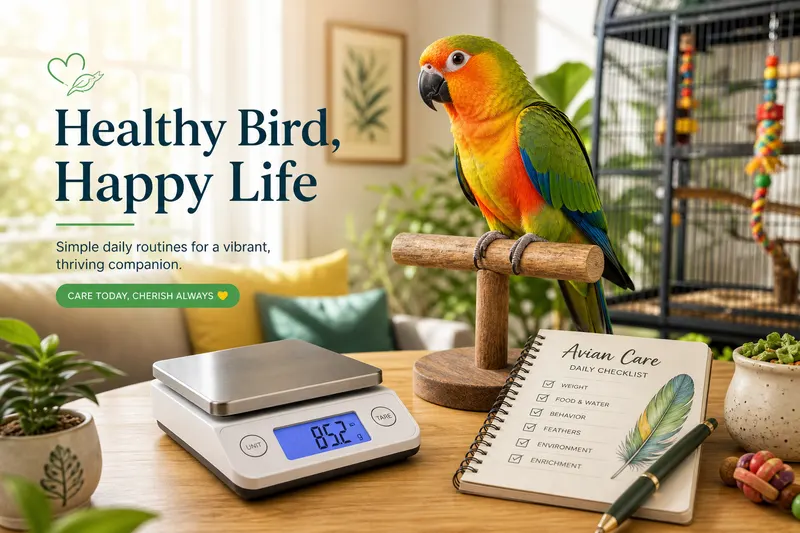
African Grey parrots live 50-60 years and cost 5,000-$75,000 lifetime - cage ($800-$2,500), avian vet visits (50-$300 each), and daily fresh produce add up faster than most owners expect.
Package labs, imaging, and treatment timelines for specialist consults without overwhelming the new clinician.

Goldendoodles and Labradoodles need professional grooming every 6-8 weeks at $80-50 per visit - and "hybrid vigor" does not eliminate hip dysplasia, Addison's disease, or ear infections.
Build a printable pet passport for emergencies - contacts, allergies, meds, and vet info you can hand to any clinic in seconds.
Siberian Huskies in apartments need 2+ hours of daily exercise and $300-$600/month in daycare or running services - otherwise expect howling complaints and destroyed door frames.
What groomers and trainers need in a pet passport - behavior flags, skin conditions, vaccine proof, and emergency contacts.
Bengals need 45+ minutes of daily play, a high-protein raw or premium diet ($80-50/month), and annual vet costs of $400-$800 - plus hybrid-breed pricing of ,500-$3,000 per kitten.
Create a focused passport highlighting drug allergies, chronic meds, and emergency protocols for sitters and family.
Most US airlines ban Bulldogs, Pugs, and Persian cats from cargo holds year-round - cabin limits apply (usually 20 lbs combined) and summer embargoes block even fit brachycephalic breeds.
Organize separate passports for each pet with household-level contacts and evacuation plans that scale.
Senior dog adoption fees run $50-$200, but arthritis management ($40-20/month), dental extractions ($800-$2,500), and end-of-life care can push year-one costs above a puppy purchase.
Share limited health summaries with nearby helpers - enough for emergencies without oversharing full medical history.
Poodles, Bichons, and Portuguese Water Dogs shed minimally but spend $600-,400/year at the groomer - while double-coated breeds shed free but coat-blow your furniture twice a year.
A fast post-visit routine to refresh medications, weights, and follow-ups in your pet passport before you forget.
A Great Dane eats 20-$200/month in premium giant-breed formula - nearly double a 70 lb Labrador - and bloat-prevention slow feeders plus elevated bowls add $50-50 upfront.
Navigate USDA endorsements, rabies timing, and parasite treatments for international pet travel without last-minute panic.
Siamese cats can vocalize 100+ times daily with a loud, raspy meow - charming for some owners, eviction-worthy for thin-walled apartments without enrichment outlets.
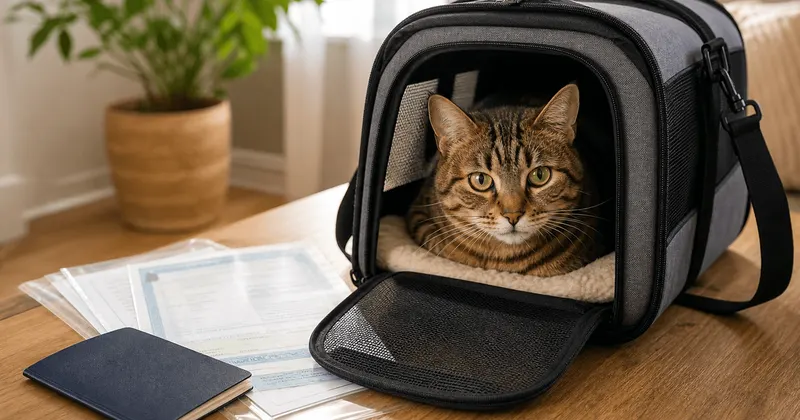
Airline-ready checklist for cat parents - vaccines, health forms, calming plans, and records for cabin or cargo travel.
British Shorthairs, Ragdolls, and adult rescue cats thrive indoors with vertical space and window enrichment - outdoor access increases lifespan risk from cars, coyotes, and FIV.
Relocating states? Transfer records, refill prescriptions, and find a new vet before moving day.
Velcro breeds like Labs, German Shepherds, and Cavaliers trigger $400-$800/month in walkers and daycare when left alone 8+ hours - behavior meds add another $30-$80/month.
Vaccine proof, policy printouts, and emergency contacts for smooth check-in at pet-friendly hotels.
Adult cats, small senior dogs, and aquarium fish fit limited-mobility households - avoid puppies and Huskies that need runs, and budget for mobile grooming at $60-00/visit.
Build a mobile pet health kit for RV trips - nearby vet lookup, medication backups, and offline record access.
How common is IVDD in corgis? Up to 1 in 4 Pembroke Welsh Corgis develop it by age 6. Learn the early symptoms, the warning signs to act on, and why ramps plus a lean weight beat a $4,000-$8,000 emergency spinal surgery.
Master split dosing for antibiotics, steroids, and chronic meds with reminders that match your household routine.
Spayed females avoid pyometra (,500-$3,000 emergency surgery) and males neutered before 12 months show lower marking and roaming - but individual temperament matters more than sex.
Track refills, pharmacy contacts, and authorization expirations for chronic pet prescriptions.
Match breed energy, grooming tolerance, and budget to your apartment, work schedule, and activity level - the wrong fit costs $2,000+ in rehoming, training, and vet bills within year one.
Understand compounded prescriptions - concentration, beyond-use dates, and storage - with digital label backups.
Bilious vomiting syndrome causes foamy yellow bile when the stomach sits empty overnight - usually manageable at home unless vomiting is frequent, bloody, or paired with lethargy.
Ensure every antibiotic dose is given on schedule until completion with logs that help your vet assess response.
A mild front-limb lameness after a jump may resolve with rest, but non-weight-bearing limps, swelling, or open wounds need same-day veterinary assessment.
Daily pain and mobility logs for post-surgery or injury recovery help your vet titrate medications safely.
Mucus alone often signals colitis, but hematochezia, black stool, or vomiting with diarrhea crosses into emergency territory - especially in puppies and small breeds.
Combine physical first aid supplies with digital records so emergencies get supplies and history in one grab.
Reverse sneezing is a harmless inspiratory spasm that sounds alarming but usually self-resolves in seconds - true choking involves cyanosis, pawing at the mouth, and collapse.
Fire, flood, or hurricane prep for pet parents - grab-list for documents, meds, and identifiers when minutes matter.
Halitosis in cats usually signals periodontal disease progressing from gingivitis to tooth-root abscess - early professional cleaning prevents pain, tooth loss, and systemic infection.
Pre-build a poison exposure card with ASPCA or Pet Poison Helpline details, current weights, and medication lists.
Nocturnal panting without heat or exercise warrants a same-week vet visit - distinguish anxiety pacing from cardiogenic cough, restlessness from abdominal pain, and senior cognitive changes.
Build a one-page sheet for overnight emergencies - ER addresses, triage numbers, and critical health history.
Cats who drink little from bowls but eat wet food may be fine - sudden thirst changes, vomiting, or weight loss signal dehydration, CKD, or urinary obstruction needing urgent labs.
When pets go missing, medical summaries help shelters administer meds and avoid dangerous foods or drugs.
Infectious tracheobronchitis spreads for 1-2 weeks after symptoms start - isolate from dog parks and boarding until cough resolves and your vet clears return to group settings.
Fire safety planning with pet alert stickers, leashes by exits, and cloud-backed records if paper burns.
Sudden hind-limb weakness in dachshunds and other chondrodystrophic breeds is a neurosurgical emergency - strict crate rest and immediate referral can preserve deep pain sensation and walking.
A repeatable monthly admin routine to audit pet records, confirm refills, and fix reminder gaps in under an hour.
Saliva-stained rusty paws often mean yeast dermatitis or atopic allergy - distinguish seasonal itch from food allergy, contact irritants, and painful interdigital cysts before treating at home.
Align food, litter, flea prevention, and prescription inventory so you never scramble the night before a dose.
Urinating outside the box is a medical red flag until proven otherwise - straining, blood, or small frequent puddles suggest FLUTD or urethral obstruction, not spite.
Coordinate walks, meds, and vet trips across partners and teens with shared calendars tied to health records.
Warm ears and dry nose are unreliable - watch for shivering, lethargy, and reduced appetite; rectal temperature above 103°F confirms fever and warrants vet workup same day.
Compare paper binders and digital pet health apps on search, sharing, reminders, and emergency readiness.
A sleepy puppy after play is normal - a floppy, uninterested puppy who vomits or has bloody diarrhea needs immediate parvovirus testing; mortality drops sharply with early hospitalization.
Annual review checklist for vaccines, dental, labs, and insurance - close the year with zero surprise gaps.
Lenticular sclerosis causes harmless blue-gray haze in seniors with preserved vision - white opaque cataracts block light and may need surgery if they impair navigation or trigger glaucoma.
Breed-focused wellness tracking for Golden Retrievers - cancer awareness, hip scores, cardiac exams, and weight logs.
Hairballs should be occasional - weekly vomiting, weight loss, or tubular bile vomit without hair suggests foreign body, inflammatory bowel disease, or metabolic illness needing imaging.
Keep Labs lean with weight trends, joint supplements, and swim therapy notes tied to orthopedic history.
Scooting usually means full or infected anal sacs, but tapeworm segments and perianal dermatitis mimic the urge - expressing glands at home risks abscess if done incorrectly.
Document BOAS assessments, skin fold care, and spinal precautions for French Bulldogs in one timeline.
A pillowy ear flap filled with blood usually follows head shaking from otitis - aural hematomas rarely resolve alone and often recur without treating underlying ear infection plus drainage.
Track hip dysplasia screens, arthritis meds, and mobility aids for German Shepherds across their lifespan.
Lift the lip: pink gums with refill under 2 seconds are normal - white, gray, or brick-red gums with delayed refill signal shock, anemia, or heatstroke and need emergency transport.
Pair professional grooms with ear infection history, dental care, and allergy notes for Standard, Mini, and Toy Poodles.
Asthma cough is dry, neck-extended, and produces no hair - episodes may worsen at night or with litter dust; untreated bronchoconstriction can progress to respiratory crisis.
Screening-focused records for Maine Coons - HCM echoes, weight, and joint-friendly exercise notes.
Polydipsia plus accidents in a previously house-trained dog usually means metabolic disease - baseline bloodwork and urinalysis differentiate Cushing's, diabetes mellitus, and chronic kidney disease.
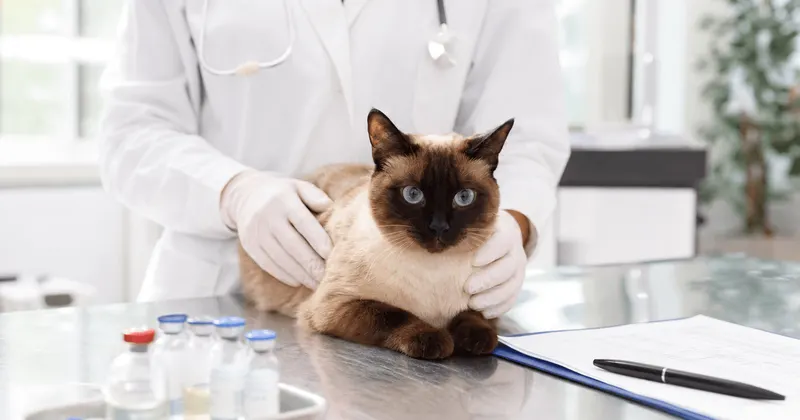
Wellness documentation tailored to Siamese cats - dental disease trends, asthma notes, and vaccine timelines.
Middle-aged and senior cats with ravenous appetite and weight loss often have hyperthyroidism - untreated disease strains heart and kidneys; a simple T4 test confirms diagnosis.
Track ramp use, crate rest, neurologic checks, and surgery history for Dachshunds at risk of IVDD.
During a seizure: time the episode, cushion the head, and do not put hands near the mouth - cluster seizures or status epilepticus beyond 5 minutes require emergency benzodiazepine protocol.
Organize senior cat labs and medications for CKD, hyperthyroidism, and arthritis with reminder-friendly workflows.
Acute moist dermatitis spreads in hours from licking one itchy spot - clip hair, keep dry, and see vet for antibiotics and underlying allergy workup; E-collar prevents overnight expansion.
A simple journal for senior dogs and cats to track stiffness, good/bad days, and response to pain medications.
Cats hide illness until late - withdrawal from family, reduced grooming, and altered gait often mean pain from dental disease, arthritis, or abdominal crisis, not mere mood change.
Capture quality-of-life scales, hospice meds, and family decisions while your pet is stable enough to plan.
Shivering from fear or cold resolves with warmth and calm - persistent tremors with vomiting, ataxia, or pale gums suggest toxin ingestion, hypoglycemia, or shock needing emergency care.
Track disorientation, sleep-wake changes, and accidents to discuss canine or feline cognitive dysfunction with your vet.
Dermatophytosis causes circular hair loss and is zoonotic - Wood's lamp fluoresces only ~50% of Microsporum canis strains; fungal culture remains the diagnostic gold standard.
Monitor NSAID bloodwork, joint supplements, and rehab exercises for arthritic senior dogs with one timeline.
Grasp the tick close to skin with fine tweezers and pull straight up - watch for 30 days for lameness, fever, or platelet changes signaling Lyme, ehrlichiosis, or anaplasmosis.
Link senior diet changes to weight and lab trends so you and your vet see what is working.
Prolapsed nictitating membrane gland looks like red mass at inner corner - medical repositioning sometimes works in first days, but recurrence is common without surgical tacking to preserve tear production.
Coordinate primary vets and hospice teams with medication reconciliation, comfort goals, and after-hours plans.
Hypersalivation in cats is rarely benign - bitter toxins, lily ingestion, and oral ulcers cause immediate drooling; nausea from kidney disease or pancreatitis needs same-day bloodwork.
Day-by-day record checklist for new dog parents - microchip, vaccines, training, and pet health app setup.
Scattered notes miss patterns vets need - timestamped symptom logs with appetite, stool, and behavior trends surface flare windows before crises and sharpen every appointment.
New cat parent guide for litter habits, hiding periods, vaccines, and organizing your first vet relationship.
Major US carriers allow in-cabin dogs up to 20 lbs combined (pet + carrier) with fees of 00-$200 each way - soft-sided carriers must fit fully under the seat without protruding.
Translate shelter intake forms into a long-term health timeline with reminders for boosters and follow-ups.
EU non-commercial pet entry requires ISO microchip first, rabies vaccine 21+ days later, then a rabies antibody titer (FAVN) drawn 30+ days post-vaccine - plan 4-6 months before move.
Log safe socialization milestones alongside vaccine dates so you expand experiences without immunity gaps.
Post-Brexit UK pet import requires microchip, rabies vaccine, FAVN titer, 3-month wait, tapeworm treatment 24-120 hours before entry, and an APHA-endorsed health certificate.
Help kittens settle indoors while tracking vaccines, parasite prevention, and first vet relationships.
A digital pet passport bundles microchip ID, meds, allergies, vet contacts, and vaccination PDFs into one shareable link - critical when sitters, airlines, or ER vets need instant access.
First vet visit questions and documents for new pet parents so appointments are productive, not overwhelming.
Rover sitters need feeding schedules, vet authorization, emergency contacts, and medication photos - a structured digital handoff cuts miscommunication and speeds ER decisions.
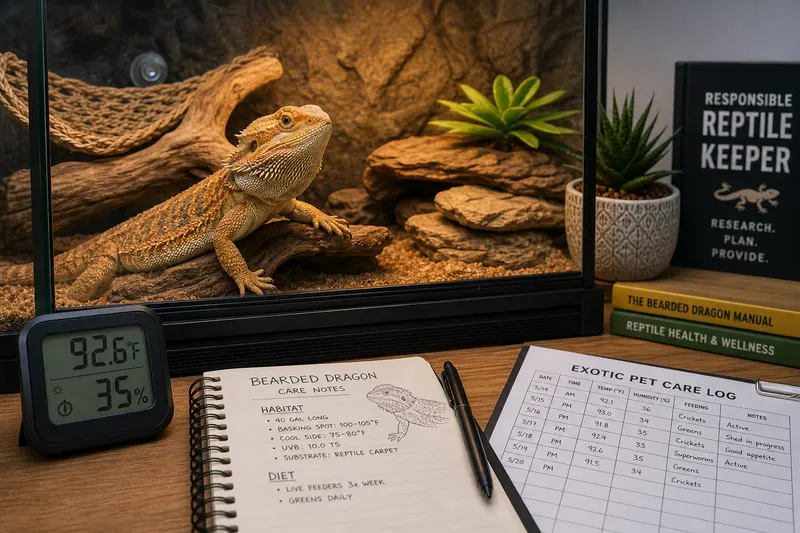
Daily habitat logging for bearded dragons - basking temps, UVB changes, appetite, and shed quality in one timeline.
TSA requires you to remove the cat from the carrier at security; gabapentin may reduce travel anxiety but needs a vet prescription - never use human sedatives without guidance.

Track guinea pig weights, dental issues, and vitamin C intake with records built for prey-species subtle illness.
Door-to-door pet relocation runs ,500-$5,000 domestically and $3,000-$8,000+ internationally - specialists handle customs, routing, and IATA crates when owners cannot fly with pets.
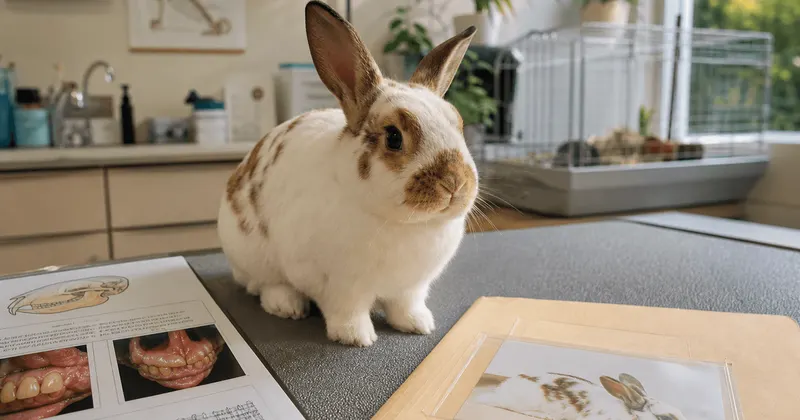
Document RHDV vaccines where available, dental floats, and GI stasis episodes for companion rabbits.
USDA APHIS endorsement of a vet-issued health certificate costs $38-73 plus vet exam fees - international travel needs appointment 2-10 days before departure depending on destination.
Keep snake feeding, shed, and humidity records that exotic vets need when appetite drops.
Hawaii's rabies-free status means direct release requires microchip, two rabies vaccines, OIE-FAVN titer, and 30-day pre-arrival waiting - otherwise quarantine up to 120 days at ,080+.

Organize ferret distemper boosters, adrenal symptoms, and glucose monitoring in species-specific records.
Mexico allows healthy dogs and cats with proof of rabies, tick treatment, and a USDA health certificate - Senasica inspection at border is usually brief but paperwork must match microchip.
Annual avian wellness records for parrots - weights, choanal cultures, and behavior shifts tied to pain or illness.
On a road trip, locate the nearest AAHA or VECCS emergency hospital via app before crisis hits - bring records, know payment policy, and never give human meds without vet guidance.
Daily dog walkers need vet authorization, emergency contacts, leash rules, and medication instructions - a one-page digital handoff prevents ER delays when you are in meetings.
Daycares require Bordetella every 6-12 months, rabies, and often canine influenza - digital vaccine logs with lot numbers speed check-in and prevent denied drop-offs.
Use USDA post pet lists, expat forums, and Google Maps reviews filtered by "emergency" - carry translated medication names and your pet's digital record before leaving home.
Marriott and Hilton brands charge $50-50 per stay for dogs up to 40-75 lbs - boutique hotels may cap at 25 lbs with $25-00 nightly fees and strict leave-in-crate rules.
Woodland campsites expose dogs to ticks carrying Lyme disease and standing water with Leptospira - use vet-recommended preventives and check coats twice daily.
Luxury kennels and resort boarders often require vaccines within 30 days, vet exam within 12 months, and parasite prevention - spa add-ons run $40-00/day on top of $75-50/night.
Cargo holds are pressurized and climate-controlled on most commercial flights, but brachycephalic breeds, seniors, and anxious dogs face higher risk - IATA crates and no sedation are standard.
Fake pet shippers demand deposits then vanish - verify IPATA membership, USDA registration, and a physical address before paying; never wire money to unsolicited brokers.
Canada accepts dogs 8+ months with current rabies certificate - puppies under 8 months need additional import permits; CBSA may inspect at first port of entry.
Since 2021 DOT rules, emotional support animals fly as pets with fees - only task-trained service dogs get cabin access free with DOT service animal form and behavior standards.
Use a disposable aluminum tray or portable litter box in the hotel bathroom; gabapentin or pheromone sprays can ease car anxiety - never let cats roam loose in the vehicle.
Acepromazine and over-the-counter antihistamines depress breathing and balance - AVMA and airlines warn sedation increases aspiration and cardiovascular risk at altitude.
Boarders need instant access to allergies, meds, vet authorization, and emergency contacts - a shareable digital profile replaces scattered texts and sticky notes.
Insulin stays potent in a FRIO wallet or insulated case at 36-46°F - never freeze; carry twice the syringes needed and a glucose curve log for timezone-shifted dosing.
Evacuation kits need 7+ days of meds, sealed records, microchip proof, and a go-bag per pet - FEMA recommends including photos and a trusted neighbor contact before storm season.
Trail kits need tweezers for ticks, vet wrap, saline flush, and booties for paw cuts - know your dog's weight for Benadryl dosing only after vet approval.
Interstate horse travel requires a negative Coggins (EIA) test within 12 months and a USDA health certificate within 30 days - brand inspections apply in Western states.
Register the chip with the manufacturer database and link it to your digital health profile - when scanners read the ID, reunification and ER access work faster.
Before a quick trip, text your neighbor the vet number, feeding amounts, leash rules, and where the carrier lives - five minutes of prep prevents midnight panic calls.
Smart feeders (50-$300), GPS collars ($99-$250/year), and AI health monitors ($200-$500) dominate 2026 - choose tools that export data your vet can actually use.
AirTags ($29) rely on nearby iPhones - useless in rural areas; Fi and Whistle use LTE GPS ($99-5/month) with geofence escape alerts and activity scoring.
AI triage tools flag urgent symptoms with 70-85% sensitivity in studies but cannot replace physical exams - use them to decide ER vs. wait, not to skip the vet.
Rapamycin trials for aging dogs run 00-$300/month through research vets; NAD+ supplements and fresh diets add $50-$200/month - evidence is promising but not yet standard of care.
Litter-Robot and Petivity track visit frequency and weight - sudden increases can flag FLUTD or diabetes before obvious symptoms, but false alarms are common in multi-cat homes.
Collar IMUs and attachable monitors log sleep quality, scratch frequency, and resting heart rate - spikes in night scratching often precede allergy or parasite flares.
WSAVA still recommends commercially tested diets; fresh cooked services improve palatability but raw carries Salmonella risk - AAFCO statement or veterinary nutritionist formulation is non-negotiable.
Direct-to-consumer microbiome kits (00-$200) map gut bacteria but personalized probiotic protocols remain experimental - skin allergies still need dermatology workups first.
SureFeed and Sure Petcare microchip feeders (50-$250) open only for the assigned cat - essential when one pet needs prescription food or weight-loss portions.
Cornell and Colorado State studies show 2 mg/kg CBD twice daily improved pain scores in some arthritic dogs - use veterinary-formulated products with COA, not human edibles.
Televet visits ($30-$75) suit skin rashes, mild GI upset, and behavior questions - go straight to ER for collapse, distended abdomen, difficulty breathing, or toxin ingestion.
Bill-decoder tools flag duplicate lab panels and explain CPT-style line items - average users spot $80-$200 in avoidable charges per year by comparing estimates before consenting.
Librela (dogs) and Solensia (cats) are monthly monoclonal antibody injections ($80-50/dose) targeting NGF pain pathways - fewer GI side effects than daily NSAIDs in trials.
Embark and Wisdom Panel breed calls agree ~90% for purebreds but vary on mixed-breed fine structure - health screens for MDR1, DM, and PRA justify the 00-$200 kit for breeding and drug safety.
Strip tests and Kidney-Chek style devices detect protein and SG changes at home (5-$40) - abnormal results need vet urinalysis and SDMA bloodwork for CKD staging.
Chewy Autoship and PetMeds save 5-20% on flea, heartworm, and chronic meds - but compounded scripts and same-day ER doses still need your local pharmacy or clinic.
Paste anonymized lab values into AI with species, breed, and age - it explains ALT, creatinine, and SDMA in plain English but cannot interpret trends or order rechecks like your vet.
Underwater treadmills ($50-00/session) and class IV laser ($40-$80/session) improve mobility scores in rehab studies - protocols need veterinary referral and 6-12 session courses.
SureFlap and PetSafe microchip doors (50-$350) let only registered pets in/out - curfew timers keep cats inside at night and log entry times for obesity and fight monitoring.
Furbo 360 (00-$210) offers barking alerts and toss treats; Wyze Cam v4 ($30-$50) is budget-friendly without subscription barking AI - neither replaces exercise or separation training.
VOHC-approved water additives reduce plaque 20-40% in studies but daily brushing with enzymatic paste remains gold standard - professional cleanings ($500-,500) still needed for established disease.
Rex Specs and similar UV goggles ($40-$90) protect working dogs from dust, UV, and post-surgical eyes - mutt muffs reduce noise anxiety during fireworks but need gradual desensitization.
Certified veterinary acupuncturists charge $80-50 per session for arthritis and IVDD support - chiropractic adjustments require vet or certified practitioner; avoid lay animal adjusters.
Reef controllers (Neptune Apex, GHL) automate dosing and send pH/temp alerts ($300-,200) - reduce livestock loss but require calibration and backup power for heater failures.
True HEPA purifiers rated for room size (CADR 200+ for bedrooms) capture Fel d 1 and Can f 1 allergens - combine with washable filters and frequent vacuuming; 50-$600 for quality units.
Combine photos, vet PDFs, weight logs, and milestone videos in a chronological timeline - exportable archives help specialists, sitters, and future owners if you rehome or estate-plan.
Wearables, annual wellness bloodwork, and dental home care push care upstream - practices offering subscription wellness plans ($40-$80/month) report fewer ER visits per enrolled pet.
CRISPR research targets DMD and progressive retinal atrophy in dogs - clinical availability remains years away and regulated; DNA screening today prevents breeding carrier pairs.
Pet cloning cost in 2026 runs $35,000-$50,000+ with no guaranteed temperament match. Here is what that price actually buys, the welfare trade-offs behind it, and why most vets still counsel adoption first.
Fragmented paper folders fail at 2 a.m. ER visits - a Biological Pet OS unifies genome, microbiome, wearables, and vet PDFs into one queryable profile owners, sitters, and clinicians share.